Posted on Leave a comment

Forged vs Billet: Callies Explains Crankshaft Choices

When we began our conversation with Brook Piper at Callies Performance Products, our conversation humorously compared crankshafts and baking cookies. When you consider the metallurgy and machining processes involved with a racing crank, there are many variables to create a good cookie… er, crankshaft.

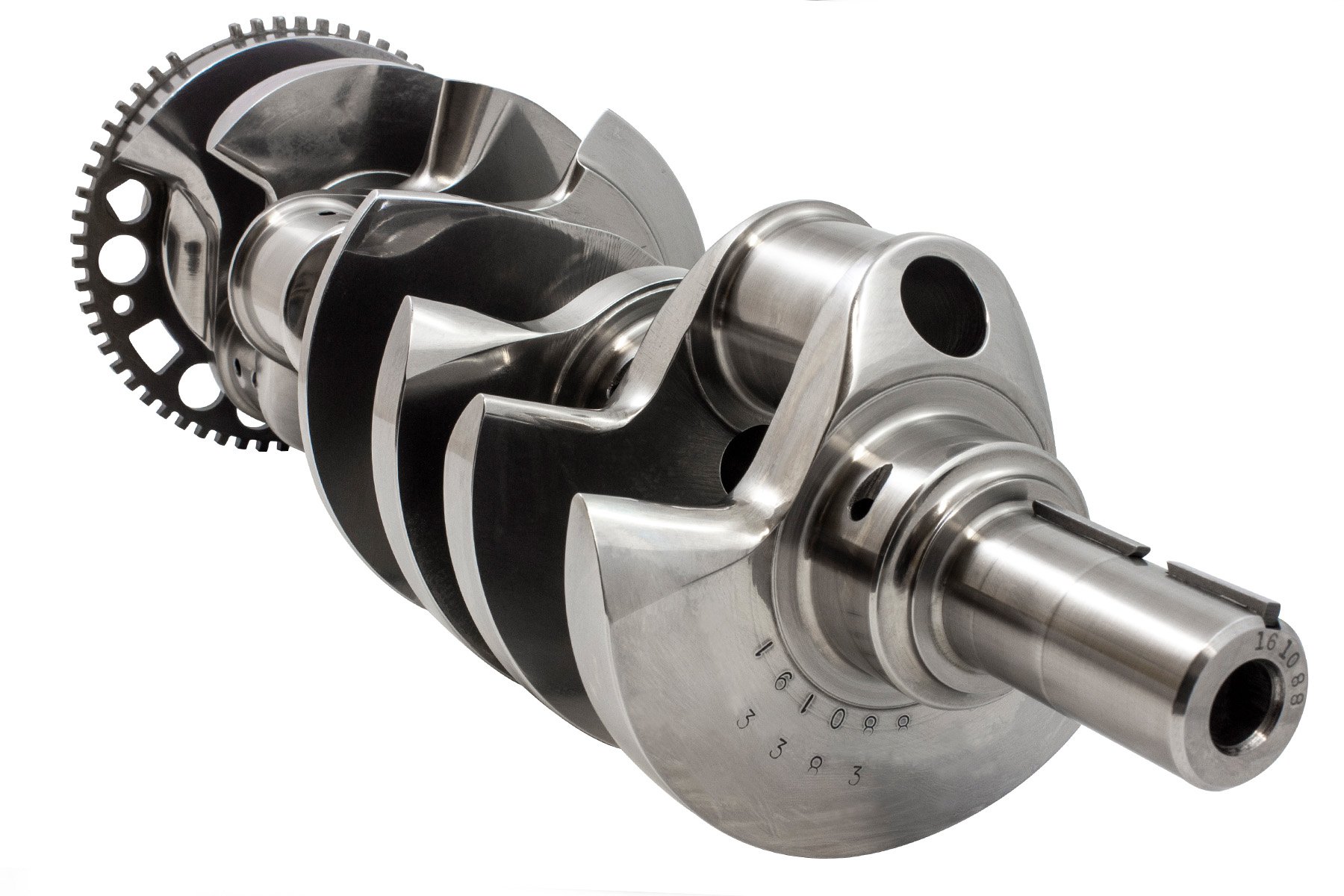
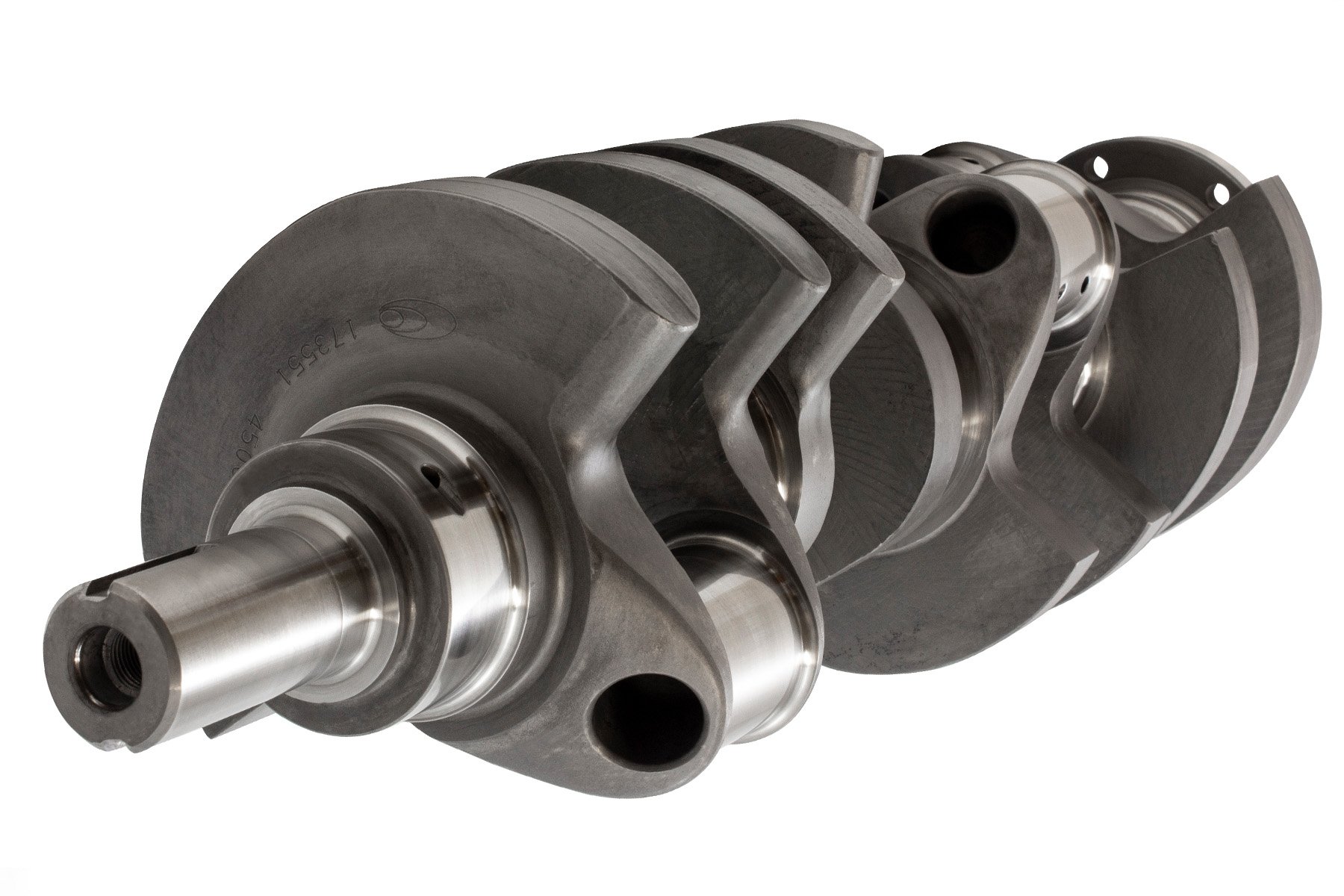
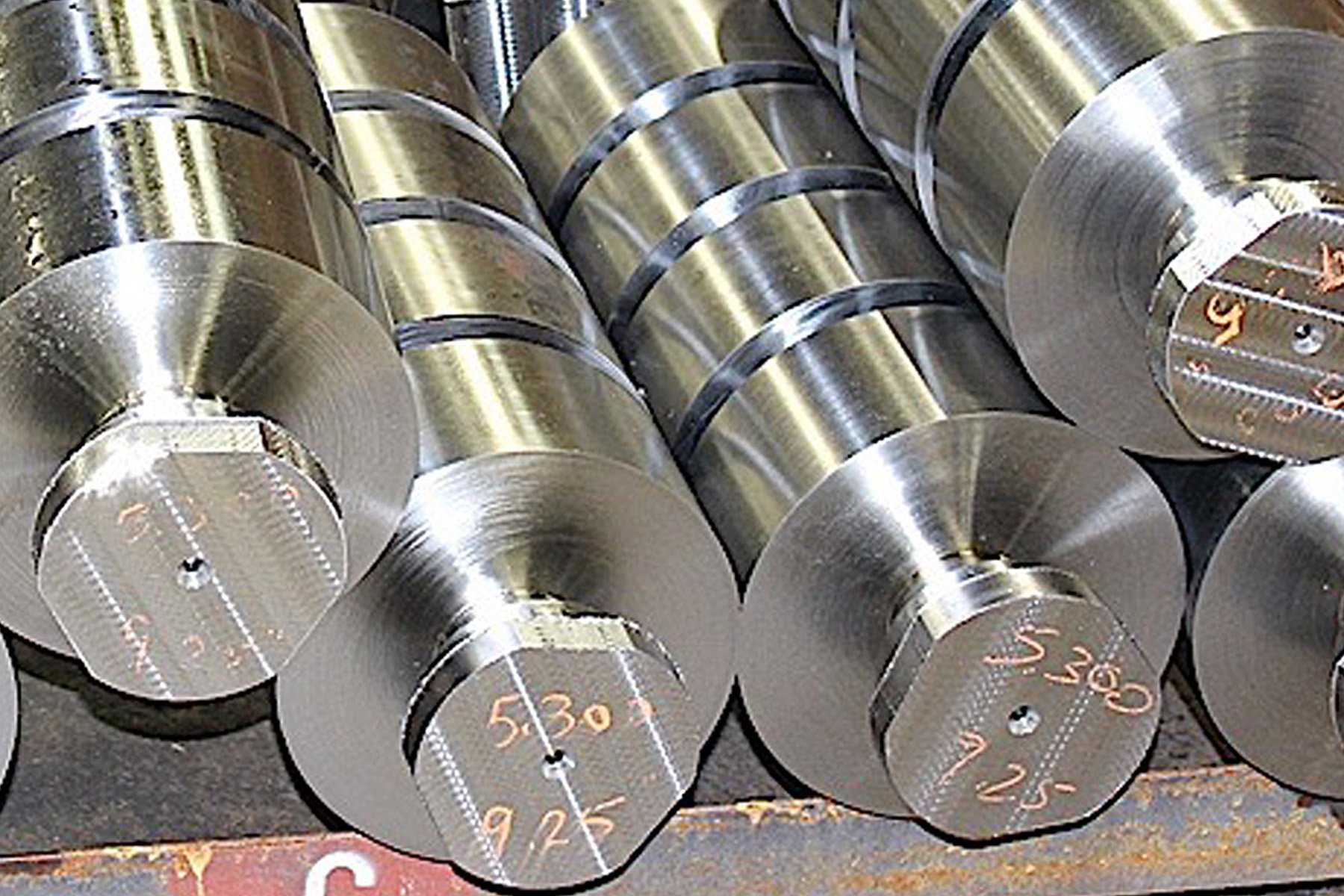
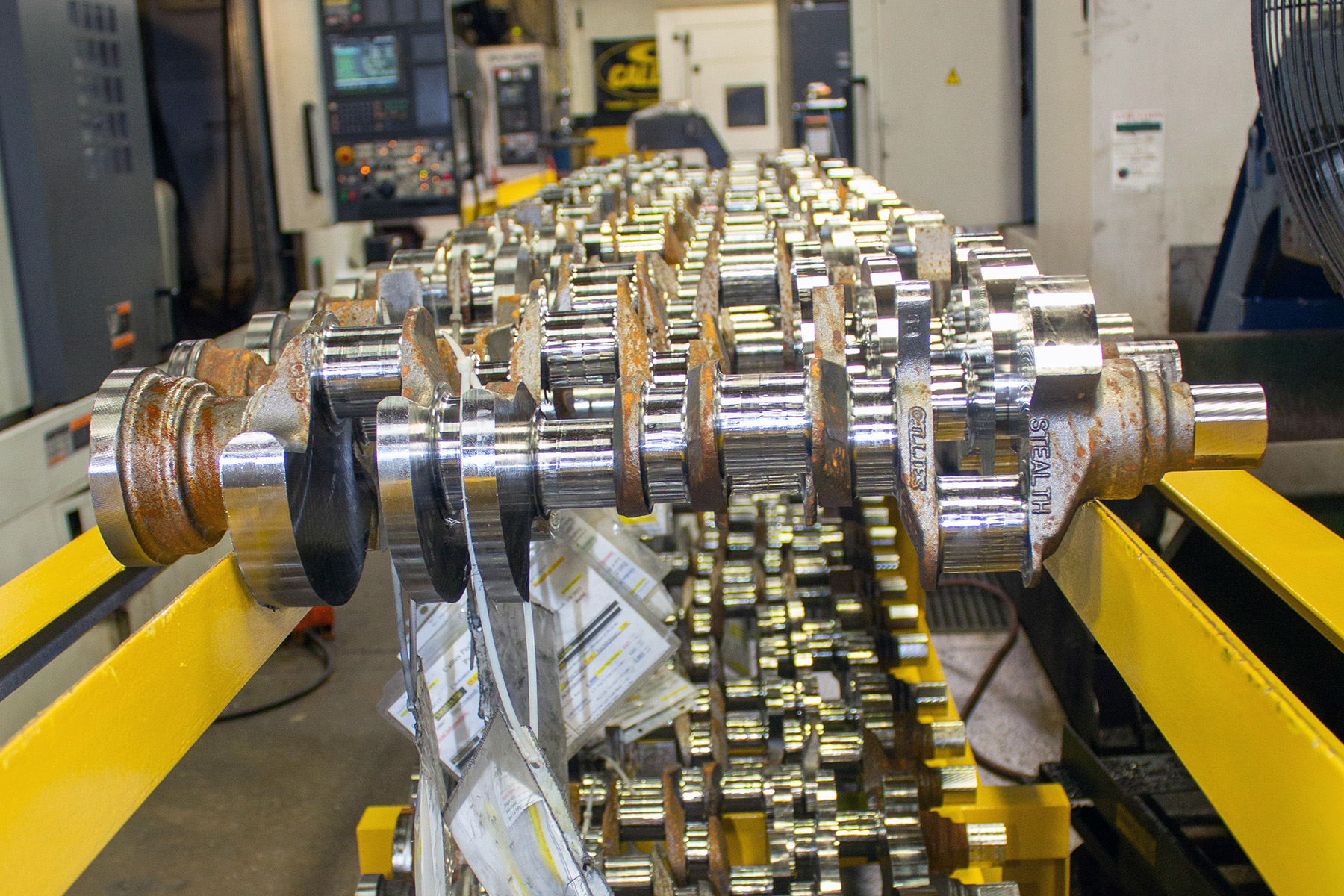
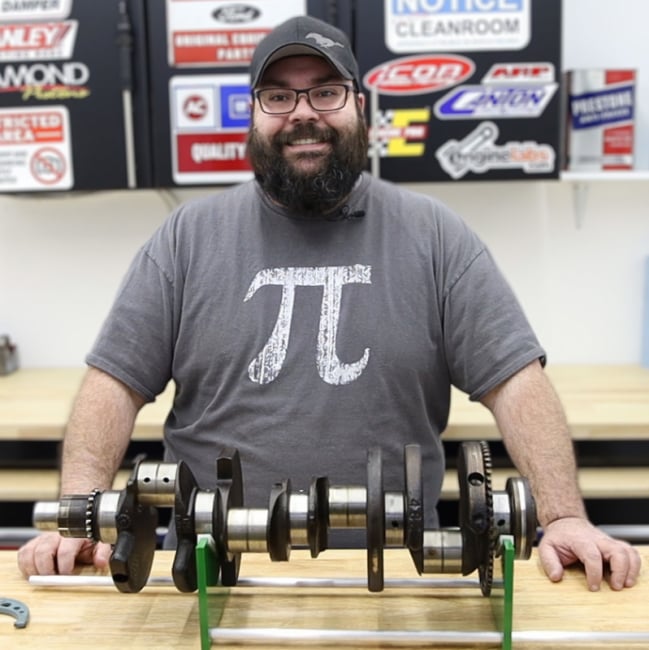
The left is a Callies Performance Products billet steel crankshaft, while a Ford forged 4340 Magnum crank from Callies is on the right.

4340 Crankshafts

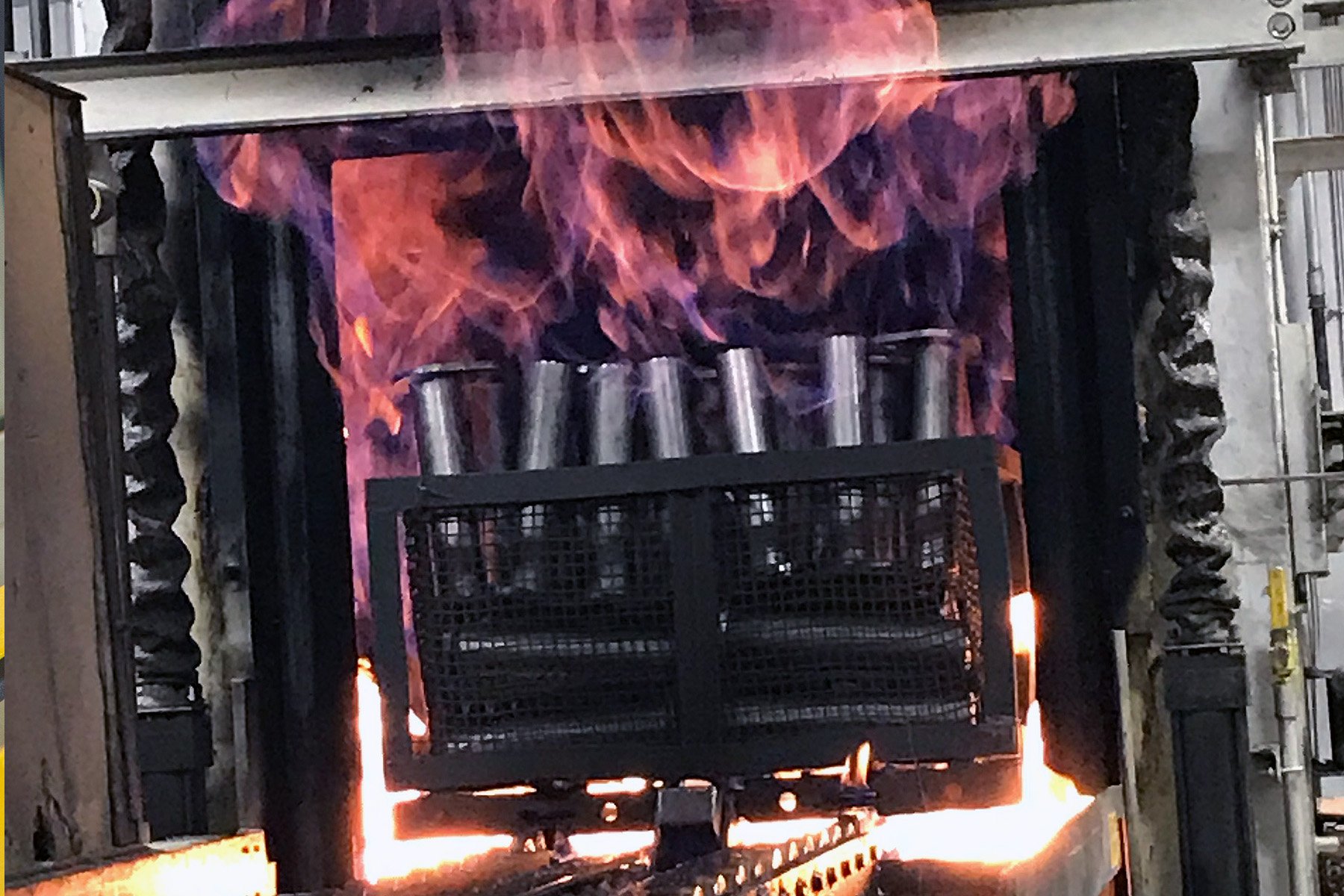
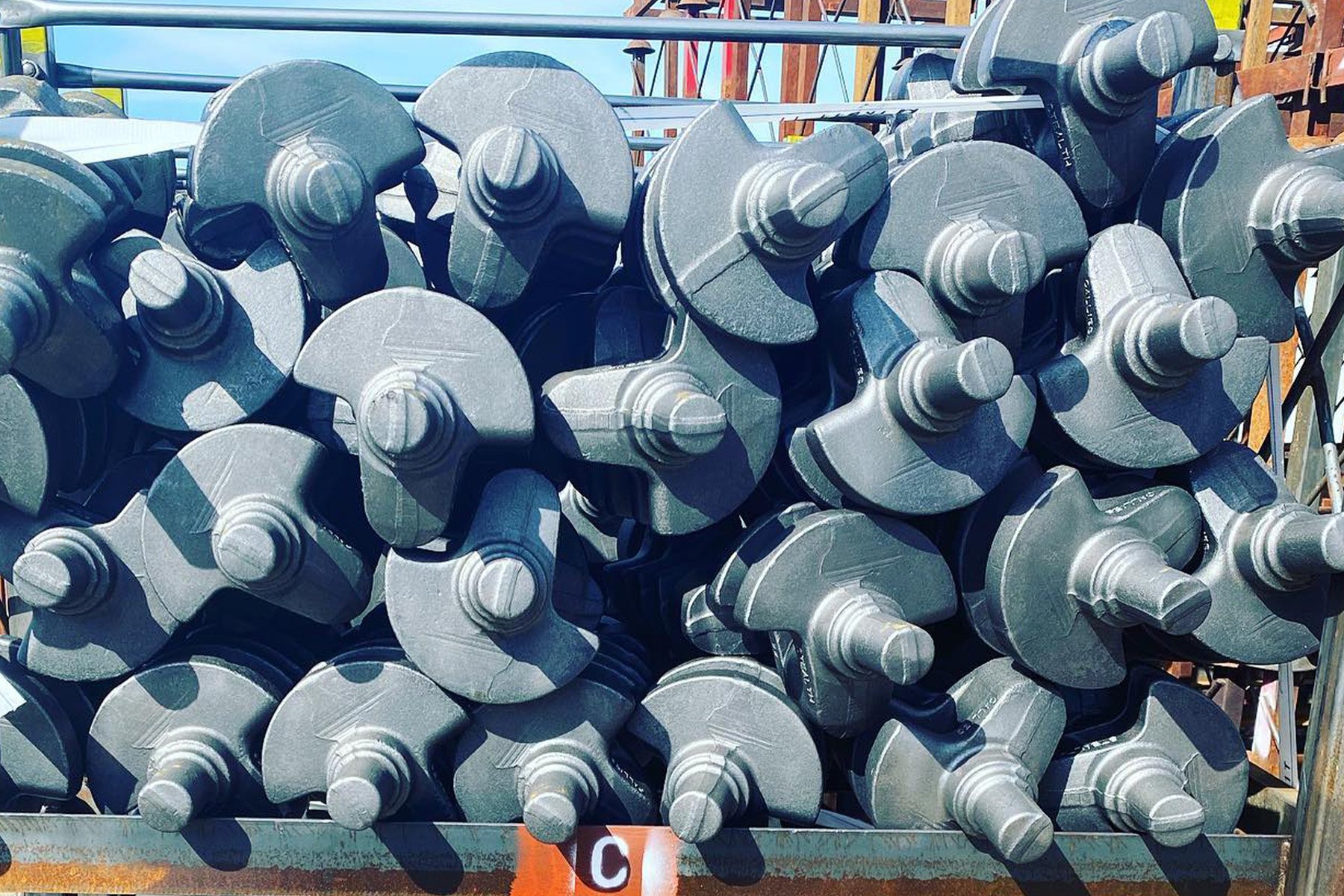
The Forged 4340 crank is created with a process that matches its title. The “4340” references the alloy of metals, while “forging” describes the heating and compressing of the metal into forging dies on a multi-ton press.

“What qualifies as 4340 steel is a broad term,” Piper describes. “Many parts of the world struggle with material cleanliness, but it still reaches the parameters as a 4340 material. Callies acquires different raw materials from all over the world to create what we think is the purest SAE 4340 billet that goes into our forged Magnum crankshaft line.”

High heat and tons of pressure stamp the 4340 metal in a mold into its general shape, while a billet crankshaft begins as a cylinder of high-strength alloy with massive amounts of material machined away.

The Compstar line of forged 4340 crankshafts is a more affordable option; these cranks are forged overseas in Callies-owned dies, rough machined to pre-finish dimensions, and completed in Ohio.

“One key difference between Callies in-house and overseas materials is that they can’t get as much nickel in the 4340 material as we can stateside. They also have energy restrictions there which limit heat treating and nitriding processes. We can achieve more surface hardness here,” Piper describes.

Everything that makes a crank’s alloy strong is there for a reason. Nickel makes it tough, silicone provides machinability, and carbon makes it better to harden. There’s a real recipe to it. – Brook Piper, Callies Performance Products

That said, the Compstar line still has cost-effective value as a racing crank to limit at approximately 1,000 horsepower. “We are approximating our horsepower claims because we want to talk to our customers,” Piper says. ‘Many variables like car weight, drivetrain, normally aspirated/nitrous/boosted parameters may alter our recommendations.”

Side-by-side cutaways between a billet and forged crankshaft illustrate the difference between the alloys’ grain structure. The forged crankshaft (left) shows how it achieves its strength by compressing the material, and the tighter grain flows along the length. The billet grain (right) flows straight, but the material is far stronger in this condition.

Piper continues, “Let’s say an enthusiast wants a big-block crank for 800 horsepower. Our Compstar will do that all day long. If they want American-made with a longer life, they will be spending 3,000 dollars for a billet crank, but that’s what we do. We sit down and try to cater to a customer’s needs.”

Billet Crankshafts

Production of a billet crank is very different from a 4340 forging — the process will quickly explain why there is a higher price point.

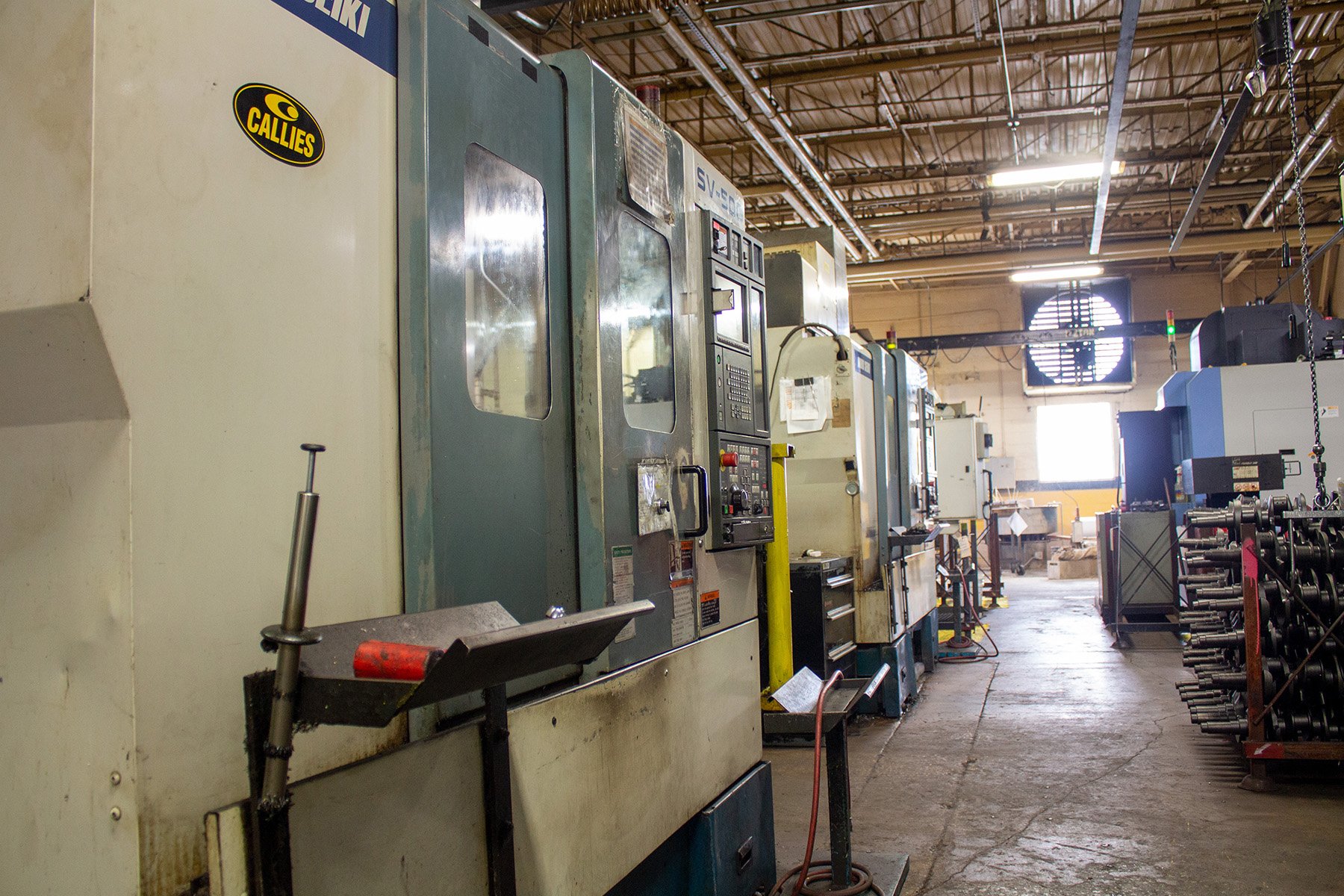
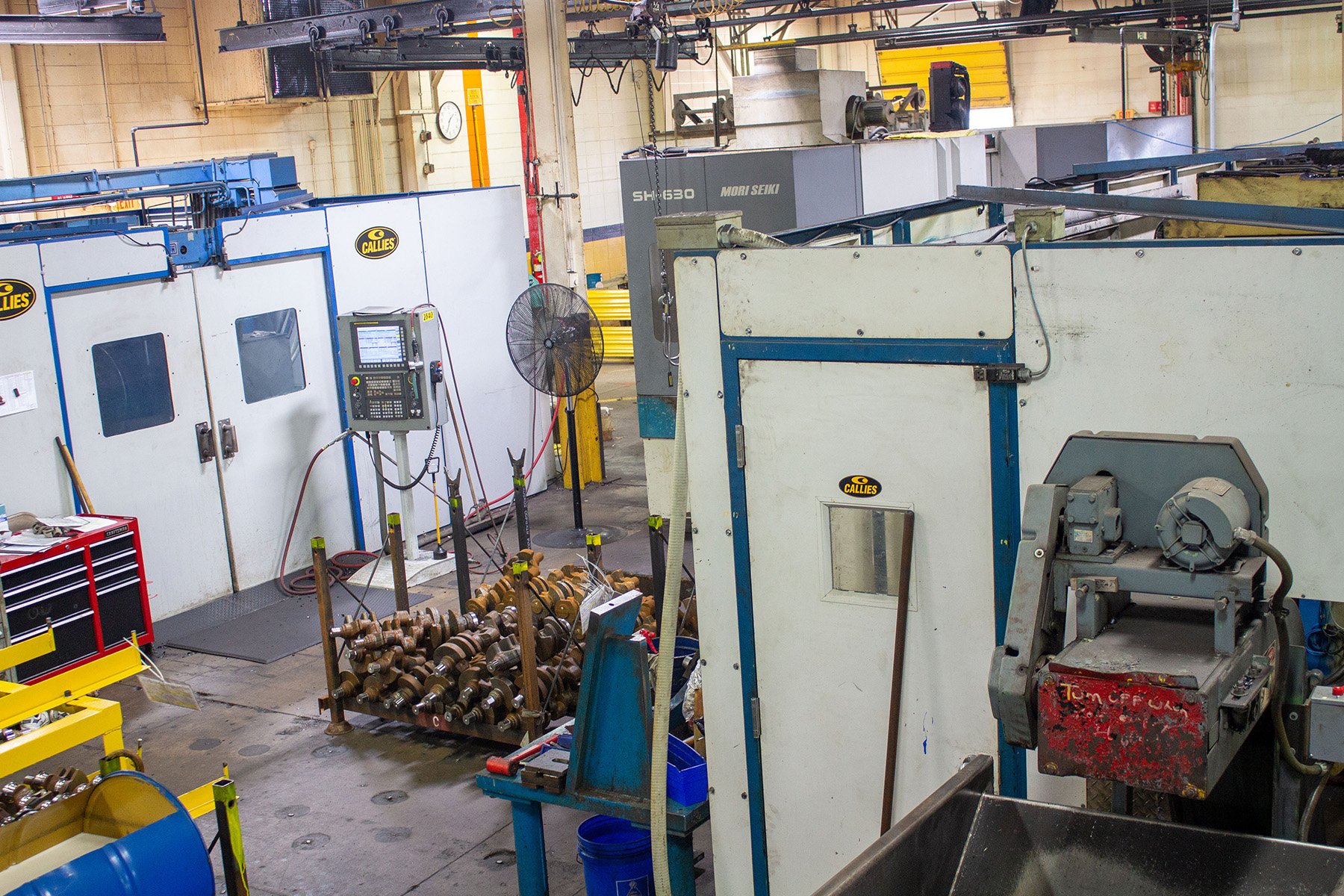
Callies’ precision CNC and lathe centers do all of the machining processed by their Ohio craftsmen on their Billet and Magnum line cranks, while the Compstar line arrives rough machined and finished in-house.

Compared to a forging shaped with presses and dies, the Callies Ultra and Magnum billet cranks are machined from a solid bar of high-strength steel alloy. That is a lot of machining and wear on equipment. In Callies’ case, the billet material is typically a 4330 material. This alloy may sound close to a 4340 number, but it is a highly different alloy with more premium steel.

“We also use an EN30 steel that offers additional strength for huge cubic inches, longer spread bore blocks and nitro applications,” Piper explains.

Callies, crankshaft, crankshafts, billet, forged

Another variable is life expectancy. The Callies team can’t stress enough that they want to help enthusiasts decide between a billet crank’s life and strength option, or possibly replace your 4340 crank in less time. It’s all in the alloy “recipe.” If you’re in the market for a new crankshaft, give them the team at Callies a call to discuss the best choice for your application.


Posted on Leave a comment

Identifying Unknown Pistons And Rods On The Fly

When it comes to this hobby, not everyone has a spare pile of cash for parts. That often leads to scouring the internet, swap meets, and junkyards for second-hand deals on usable parts, like pistons and rods. There’s no shame in deal-hunting; it’s an interesting hobby where enthusiasts have to be both good investigators and negotiators. There are deals to be found, but even the best of deals is a bad deal, if they are the wrong parts.

So, we’re not going to even try and give you negotiation lessons, as in the last few deals we’ve made, we paid full ask because we needed the parts and didn’t want to risk losing the deal over a little haggling — the antithesis of the deal-hunter’s ethos. But, what we can walk you through, is how to determine what you’re looking at to help you get the right parts.

Generally, when measuring engine components, you would use the proper micrometers and measure to the .0001 inch. However, you can identify components with a simple .001 caliper, as we’ll show here. Plus, it’s a lot easier to carry a caliper with you, than a 0- to 6-inch mic set. To demonstrate, we’re going to go through and measure these “unknown” components from JE Pistons and SCAT Enterprises that came out of one of our other editor’s semi-mystery engines that he recently pulled apart.

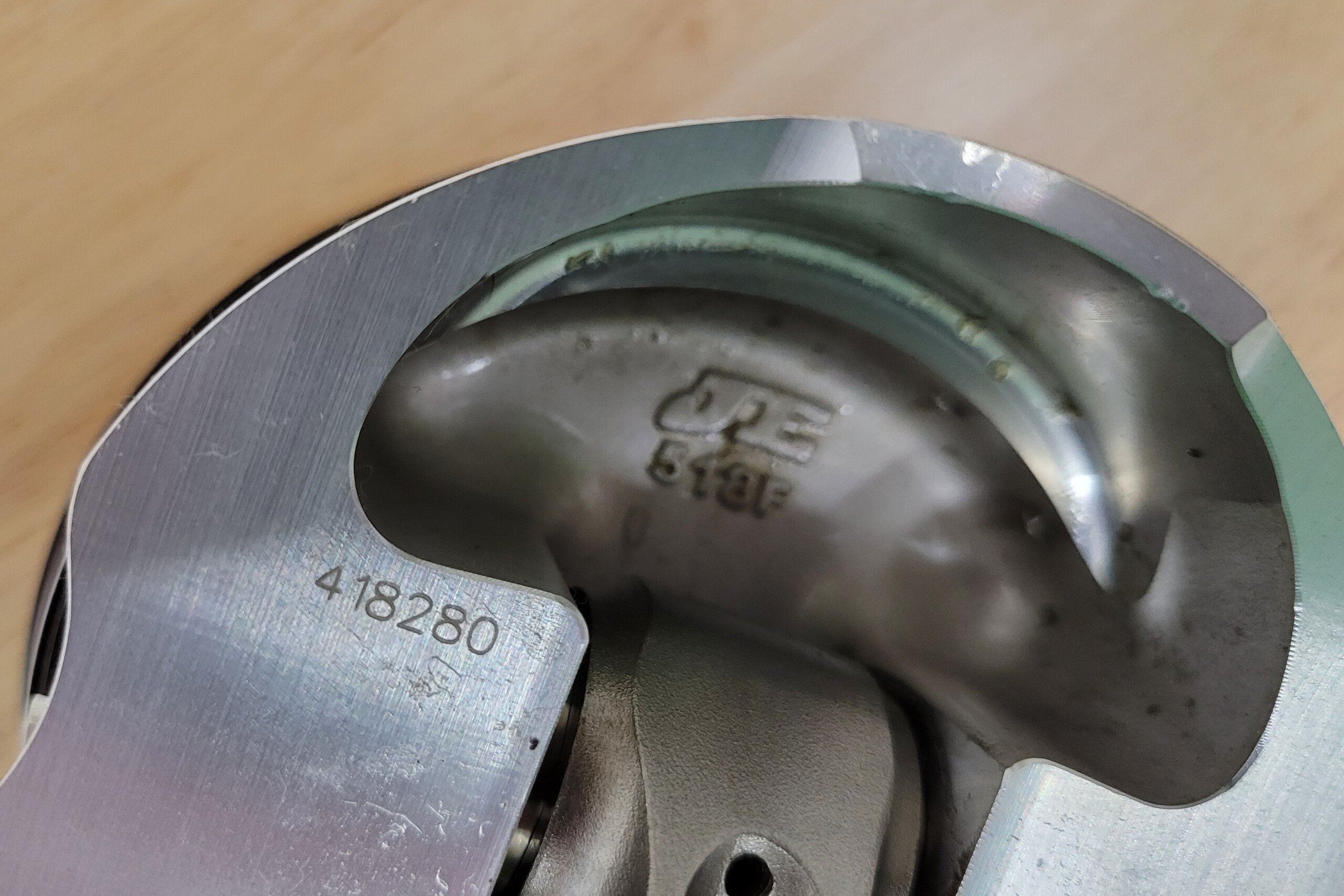
If you can identify a part number and a serial number, you might be able to get specs that way. JE has the ability to look up this combination and gave us some good information about the parts. However, we still measured everything because a lot can happen between it leaving the factory and when you run across it.

Identifying Pistons

To some, the idea of buying a used piston is akin to buying used underpants, but there are a lot of pistons on the market that have plenty of life left in them. The key is to make sure you know what you are looking at and for. The primary measurement for all pistons is the bore size they work with, or their diameter. This can be a little bit tricky and a little bit confusing if you aren’t familiar with measuring pistons.

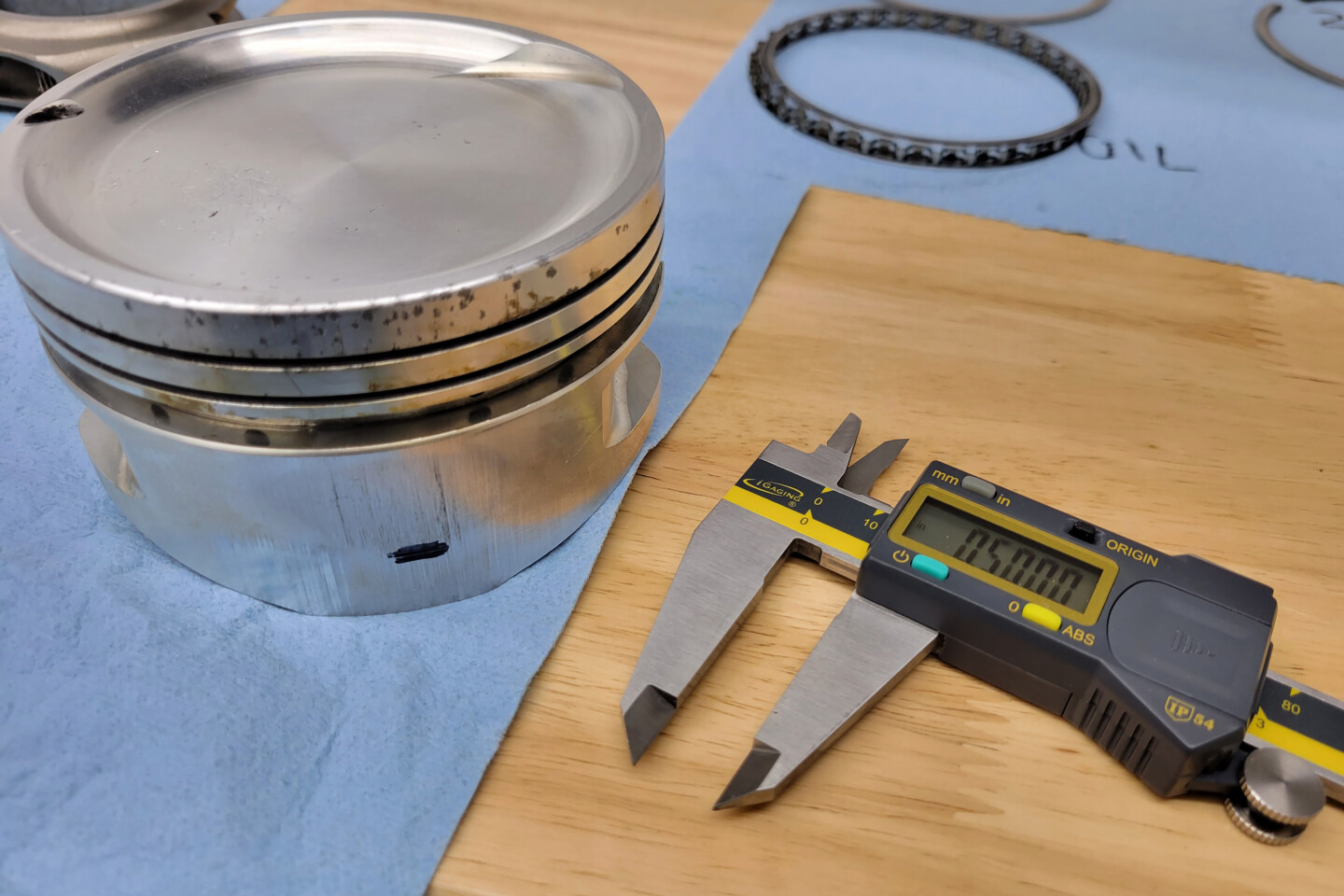
You see, most pistons aren’t perfectly round, and the crown, which is the spot most would think to measure, isn’t where you measure a piston’s diameter. Each manufacturer will specify an exact location of the datum point, but in general, it’s 90 degrees opposite of the wrist pin, about half an inch up from the bottom of the skirt. If in doubt, you can measure various points above and below that half-inch mark to find the largest point, but it will always be 90 degrees opposite of the wrist pin axis.
Identifying pistons

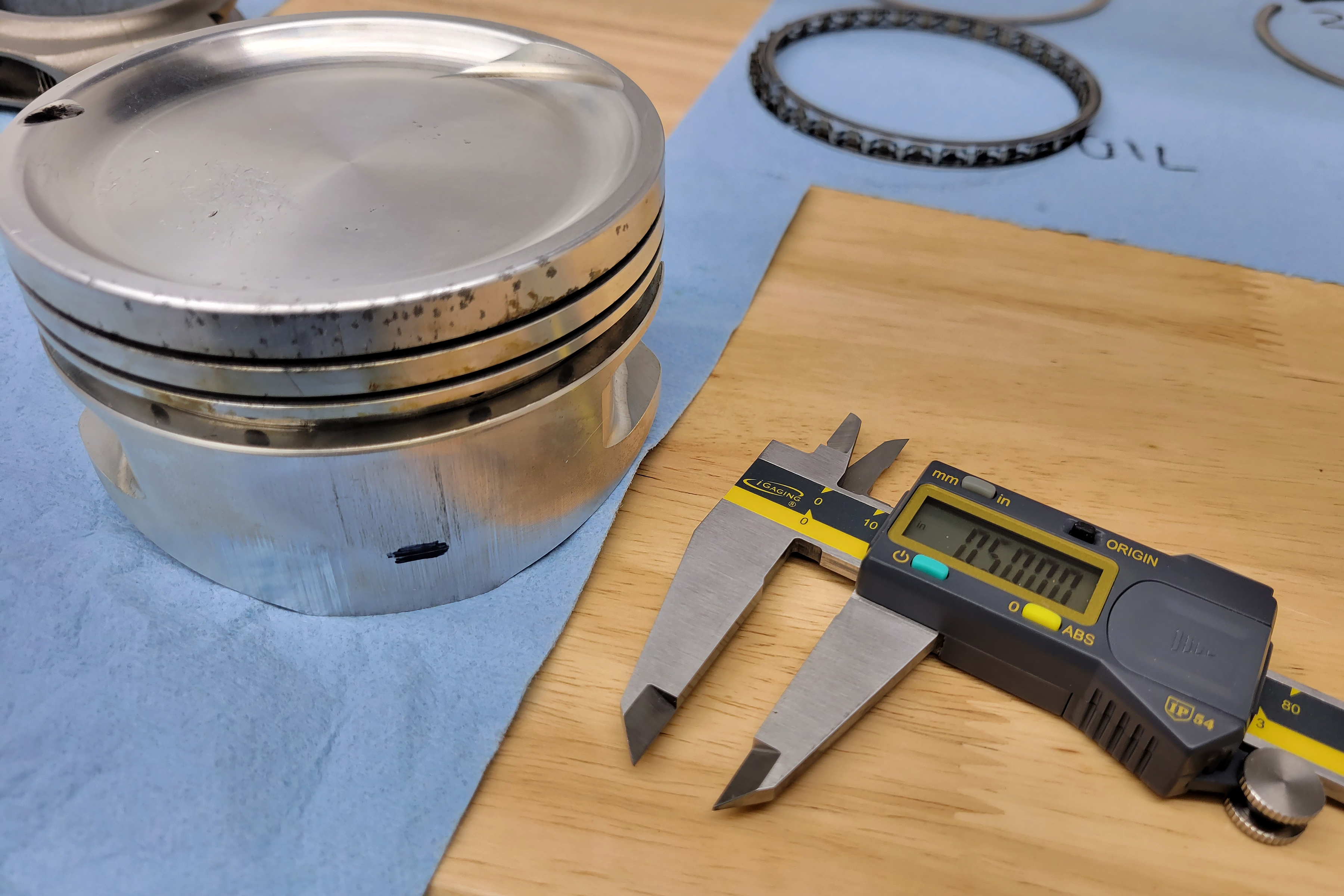
The datum line for JE pistons is .500-inch above the bottom of the skirt, 90 degrees from the wrist pin. So we Sharpied the area and then scribed a line exactly 0.500 inch up.

Now, the second tricky part of the diameter measurement is that it won’t match your bore size exactly. You have to factor in piston-to-wall clearance. Different piston materials will call for different clearances, so the actual measurement related to a given bore size will vary. Knowing these specs is crucial if you are trying to fit an already finished bore. There’s a little more leeway if you haven’t done the machine work yet, but you still need to know that there is a variance there.

For example, say you were looking for pistons to fit your 4.030-inch bore. If you were looking for a set of Hypereutectic pistons, you’d want a piston that measures in at 4.028 to 4.0285 to achieve the recommended .0015- to .0020-inch clearance. Conversely, if you were looking for a 2618 piston for that same bore size, you’d want a piston that measures more closely to 4.025 inches. If you didn’t account for piston-to-wall clearance in those measurements, and you threw a caliper on a set of pistons at a yard sale and saw 4.025, you might pass them up thinking they weren’t the right size for your project.
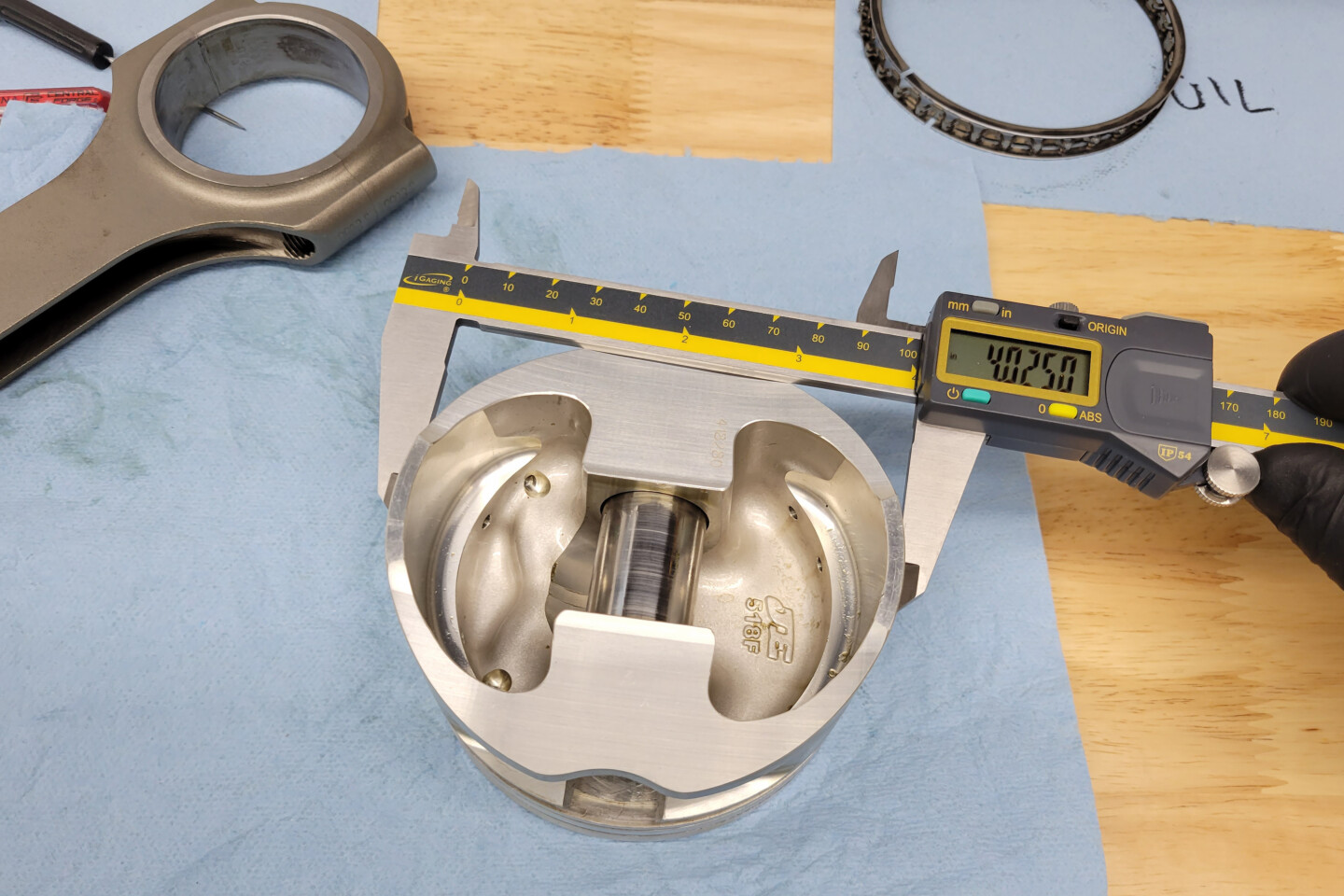
Placing the jaws at the datum point for both lines we got 4.025 inches. While that’s not accurate enough to measure piston-to-wall clearance, it’s accurate enough to say that these 2618 pistons are for a 4.030 bore.

Beyond Bore Size

The next thing to measure is the wrist pin size. Usually, piston sets will come with wrist pins, so they will be easy to rough measure – just throw a caliper on them and that will tell you what their nominal size is so that you can match them to your connecting rod. Also, look for a marking showing the wall-thickness of the wrist pin, or toss the caliper on it. That spec can be important to your build.

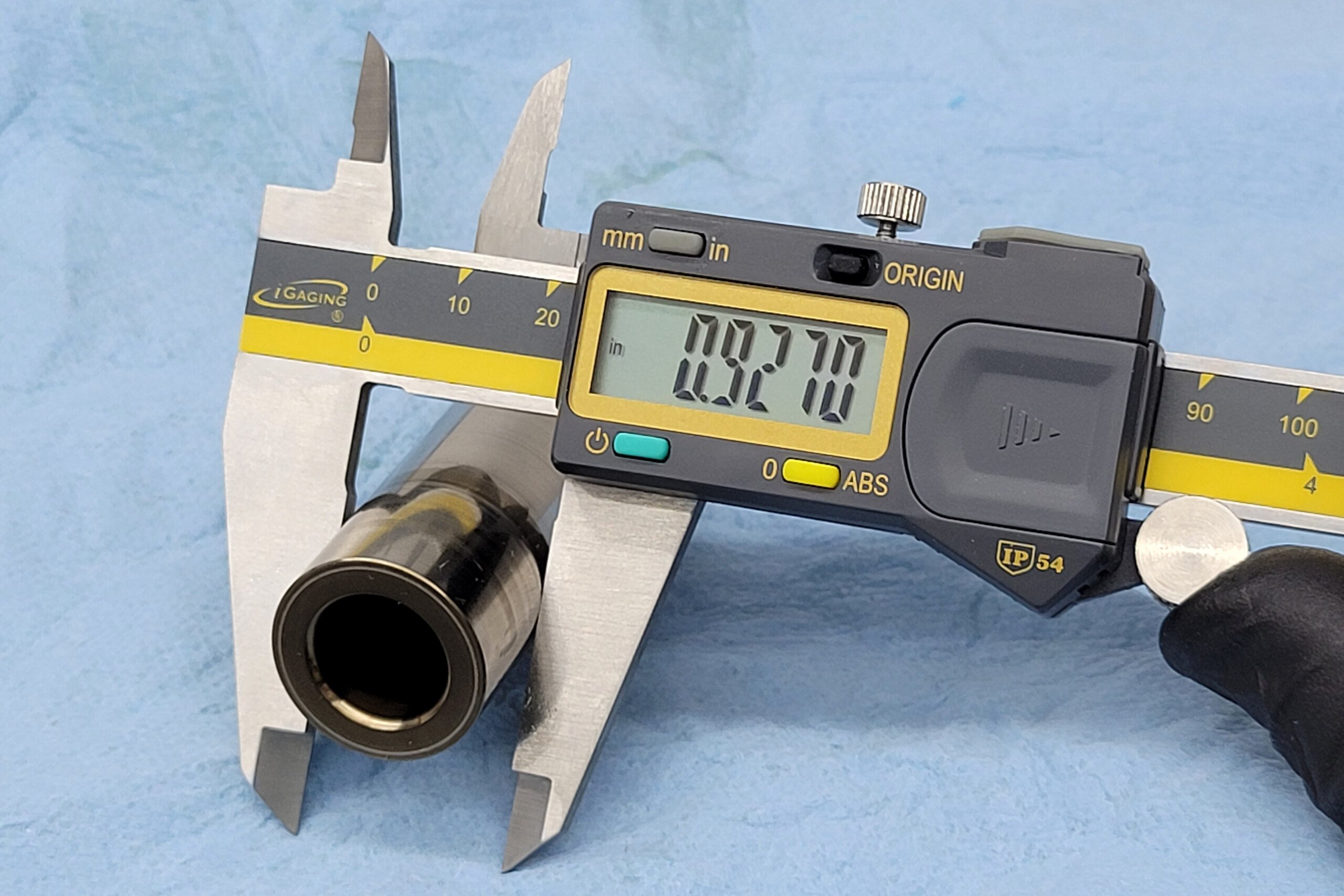
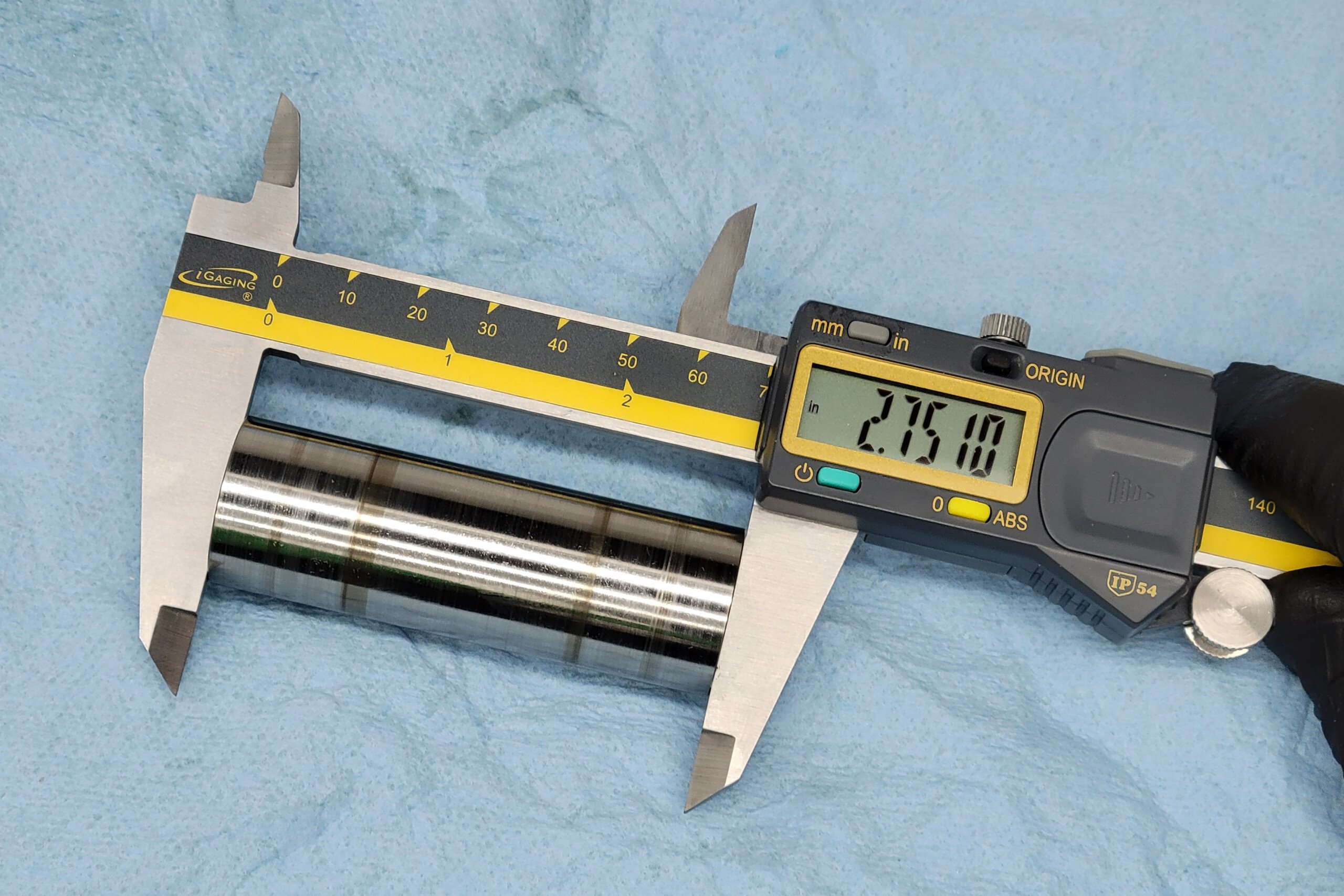
If the wrist pins aren’t included, you’ll want to rough measure the diameter of the wrist pin bore of the piston, again, to make sure they match your rods. If, for some reason, you are looking at wrist pins by themselves, make sure you measure the pin’s length as well, as that can vary from piston to piston, in some designs. If you need a .927-inch diameter 2.500-inch long pin, a 2.750-inch long wrist pin won’t do you much good.

Finding a part number on the wrist pin is the easiest way to identify them. However, measuring OD and length, along with wall thickness is easy enough with a set of calipers and will get you plenty close to identify them.

Next, we’ll need to determine the ring package. For rough measurement in a pinch, you can use the inside jaws on your caliper, but for more precise measurements, you’ll want to use pin gauges, feeler gauges, or an inside mic. Not only do you want to measure the size of the top, second, and oil ring grooves, you’ll want to measure, or at least pay attention to their spacing and location on the piston, which might be a concern for your combination.

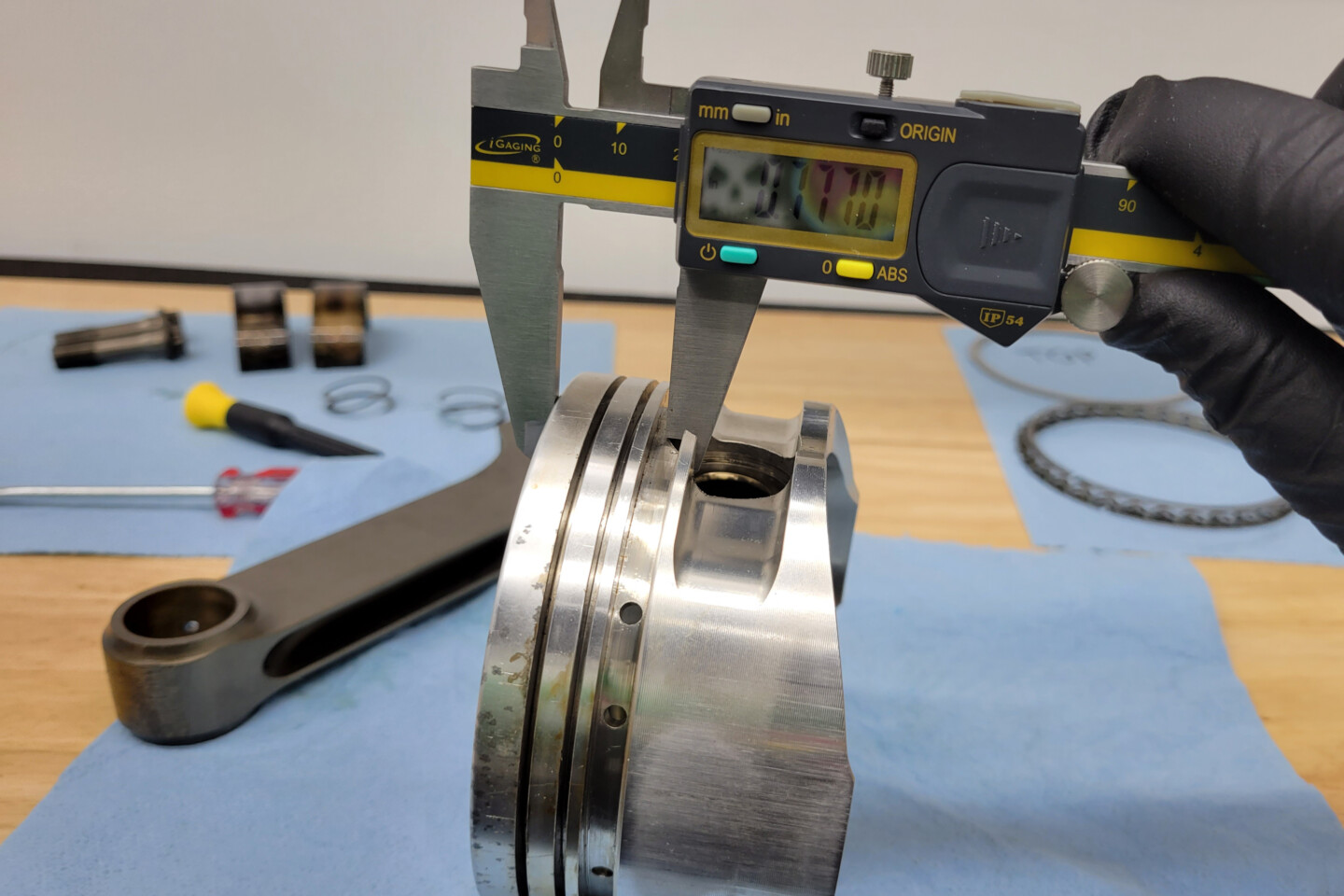
You’ll also want to note the compression height of the piston — the distance between the center of the wrist pin bore and the crown of the piston. This measurement, combined with your crankshaft’s stroke and connecting rod length will determine the piston’s location in the bore at TDC. If you’re matching to a set of existing rods and crank, this will be incredibly important.

If you have the rings on the pistons, measuring the ring pack is straightforward (left). However, if they are bare pistons, you’ll need to measure the ring grooves themselves. Calipers will get you in the ballpark, but a set of pin gauges or feeler gauges would be much finer and could identify any wear more easily.

If you’re fitting the rest of the combo around the pistons you got for a smoking deal, you have a little more flexibility here. However, you also need to consider the application as well. If you are going to be feeding tons of boost to the engine, you don’t want a piston with an exceptionally small compression height. Conversely, if you’re looking to turn significant RPM with the engine, you don’t want a huge, heavy slug in there.

The last area you need to pay attention to is the crown of the piston. The first thing is the valve-relief arrangement. Some pistons have valve reliefs designed for the valve angles of specific cylinder heads, to the exclusion of other, potentially more standard valve layouts. The second thing to pay attention to is the dome volume. The three main configurations are flat top, dome, and dish (or reverse dome) pistons.
measuring compression height

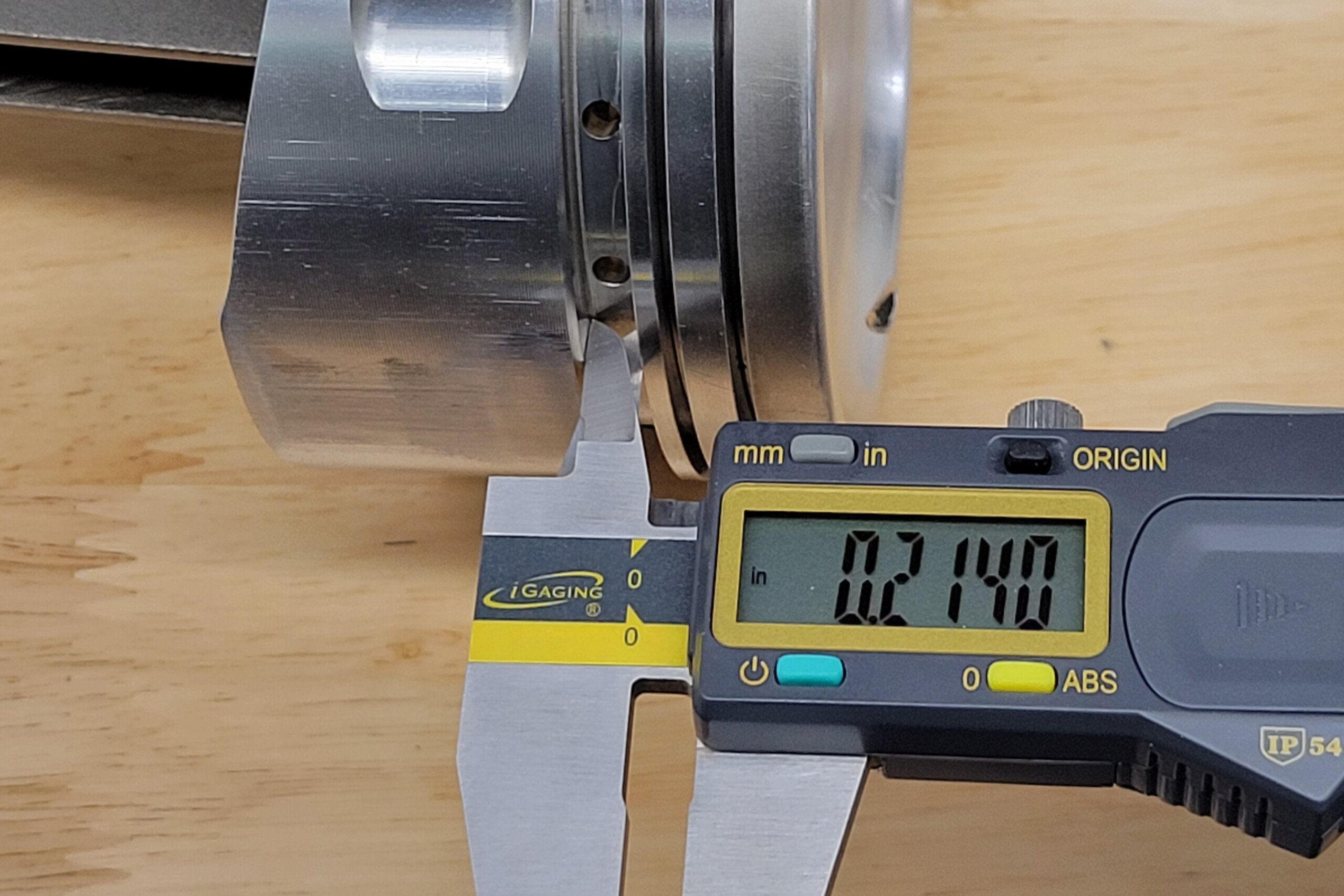
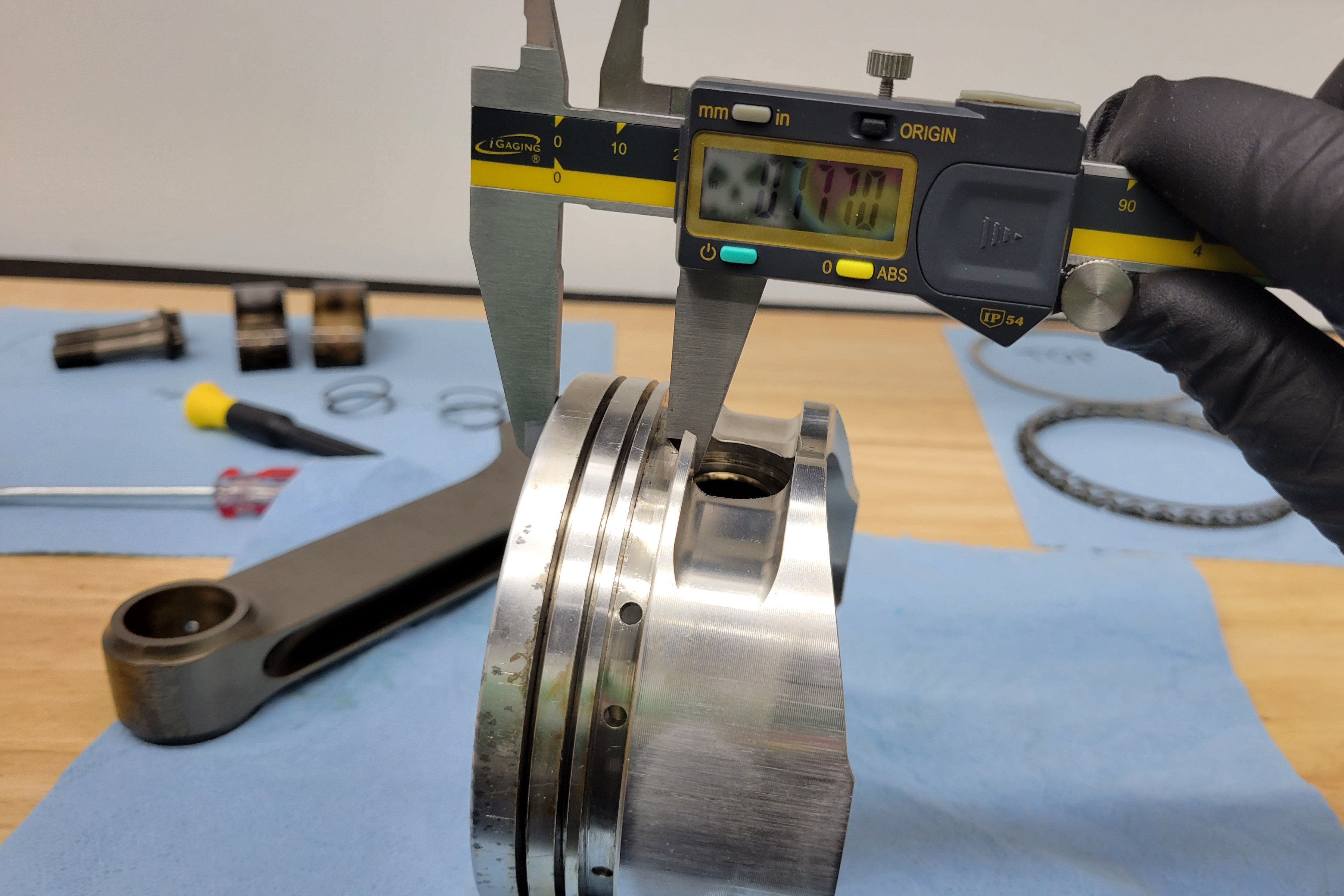
The compression height of a piston is a very important spec. By measuring from the crown to the top of the wrist pin bore, and then adding half the diameter of the wrist pin, you get the compression height. Compression height plus rod length, plus half of the crank stroke, subtracted from your block’s deck height will tell you whether the piston sits in or out of the hole.

As the name suggests, a flat top piston is flat, with a 0cc volume (you will want to account for the volume of any valve reliefs present, however). A dome piston is one that has material above the crown, designed to reduce the combustion area and raise compression. A dish piston is the opposite of a dome piston, where there is a void in the crown of the piston designed to increase the combustion volume and lower the compression ratio.

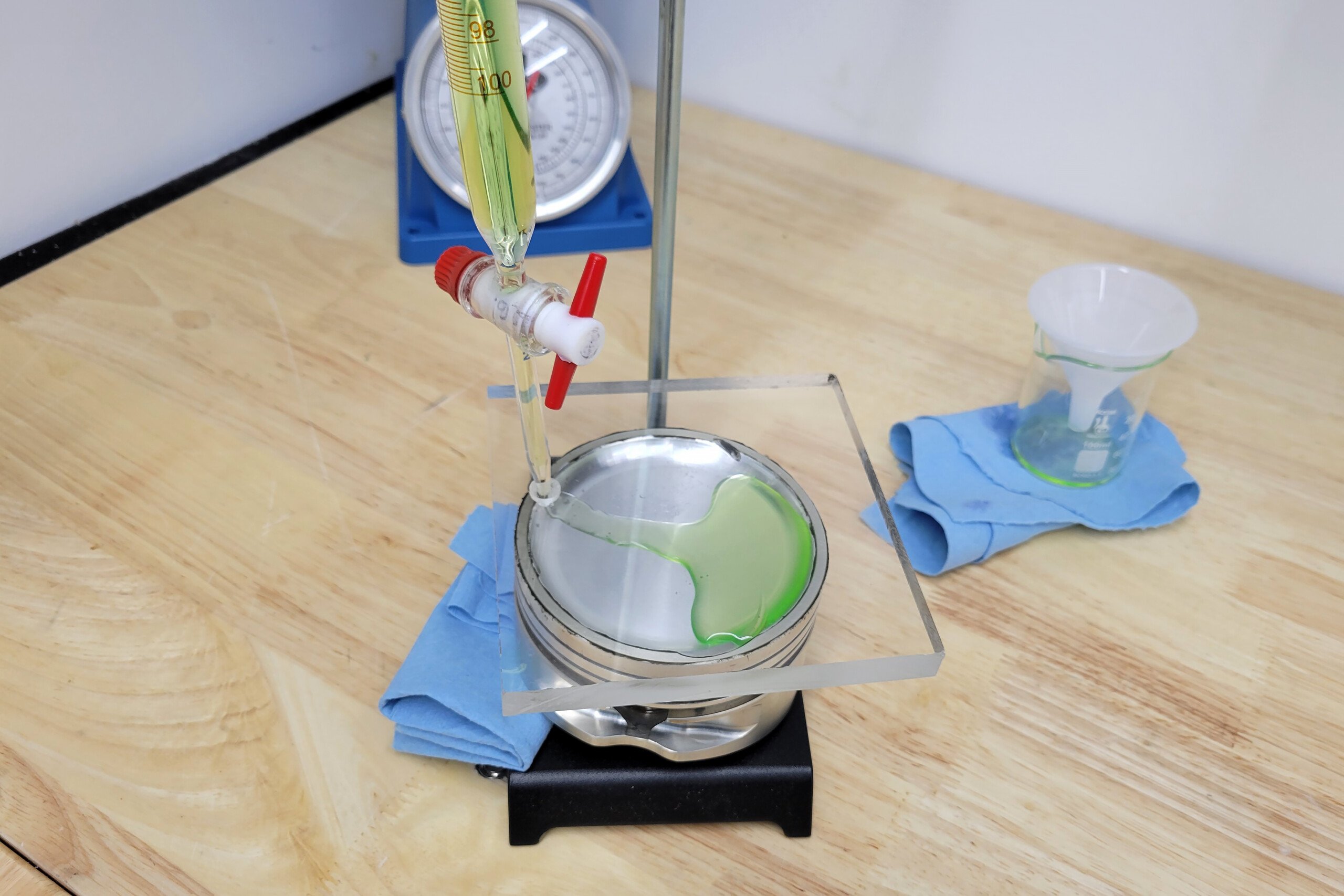
Measuring the exact dome or dish volume of a piston is important. Normally that information will be supplied by the piston manufacturer, but it can be measured at home. For a dished piston, it’s exactly the same process as CCing a cylinder head. For a dome piston, it’s the same process with a little extra math involved, where you calculate the theoretical volume of a cylinder of fluid, and then subtract the actual measured volume. The difference is the volume displaced by the piston’s dome.

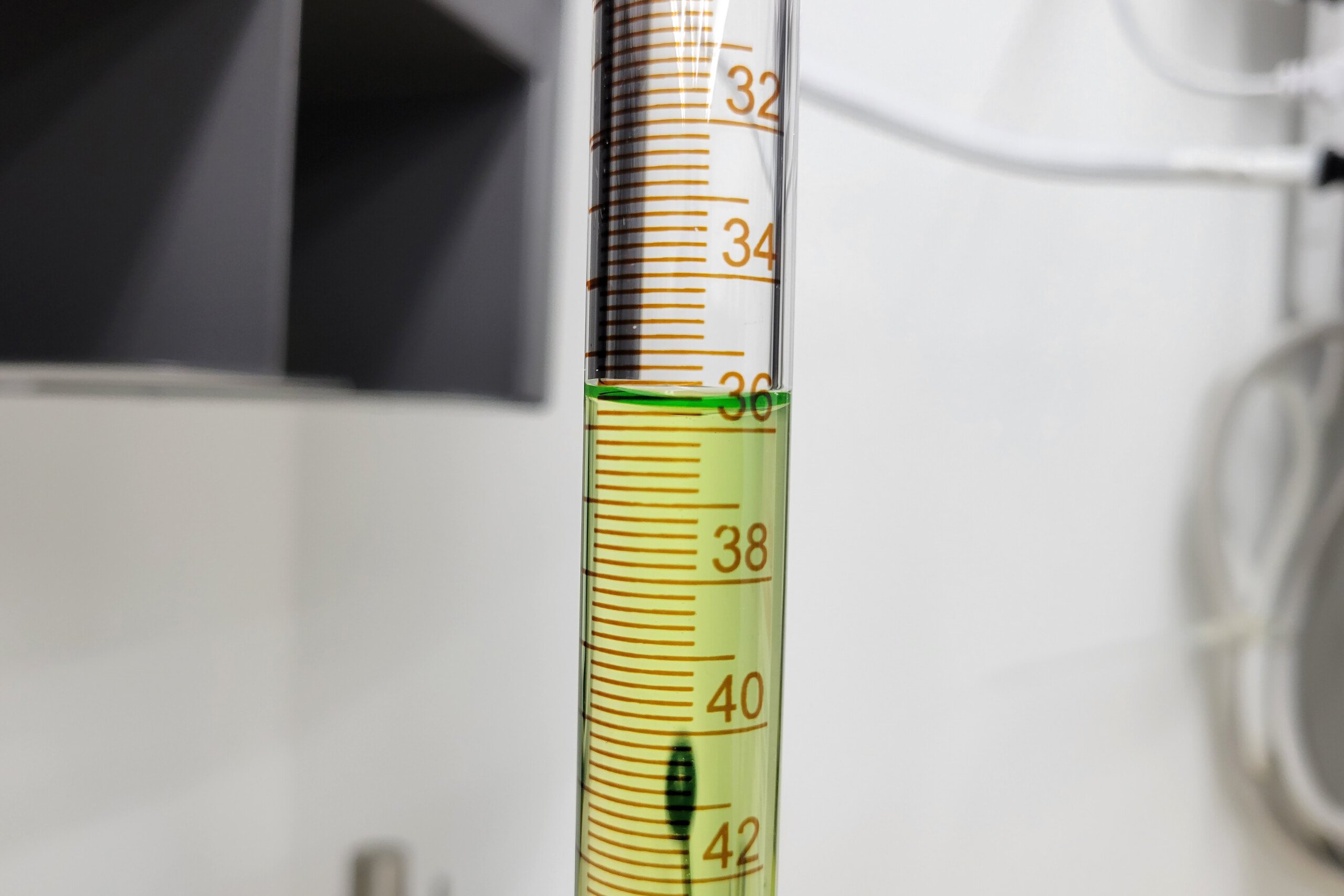
CCing a dished piston was quite easy in this case, since the valve relief didn’t break the seal. Measuring dome volume is a little trickier, but very similar. This piston came out to be a 35.8cc dish. Quick math says that these components, with a 4.100-inch stroke crank, would come in right about 8.8:1 compression. Makes sense for the era this engine was originally built.

Measuring Unknown Rods

Moving on to the connecting rods, there are definitely fewer measurements to take, but they are just as crucial. You aren’t going to be able to determine the material just by looking at the rod, but you can determine what rod shape it is, as well as whether it’s a press-fit rod or has a free-floating brass bushing in it.

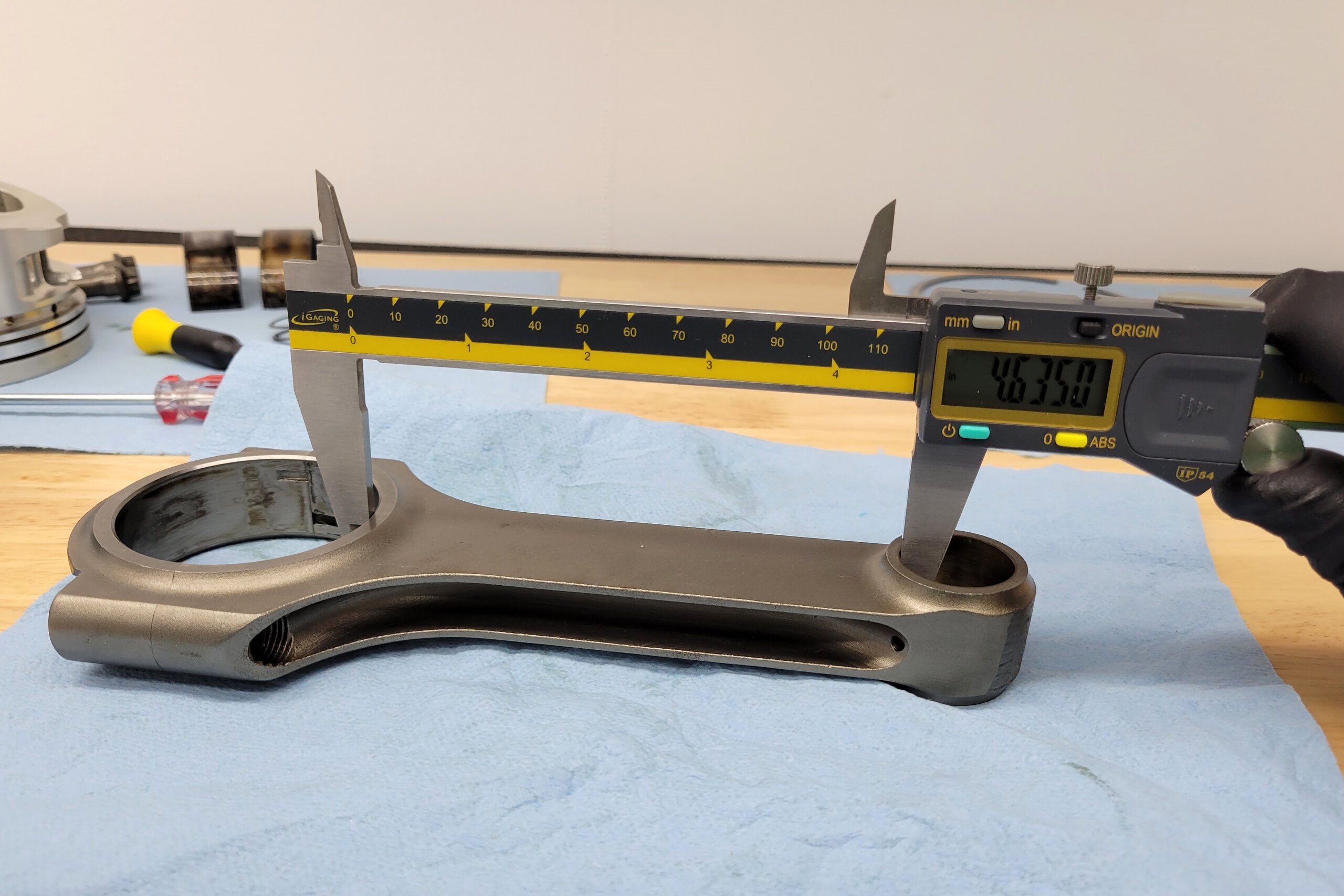
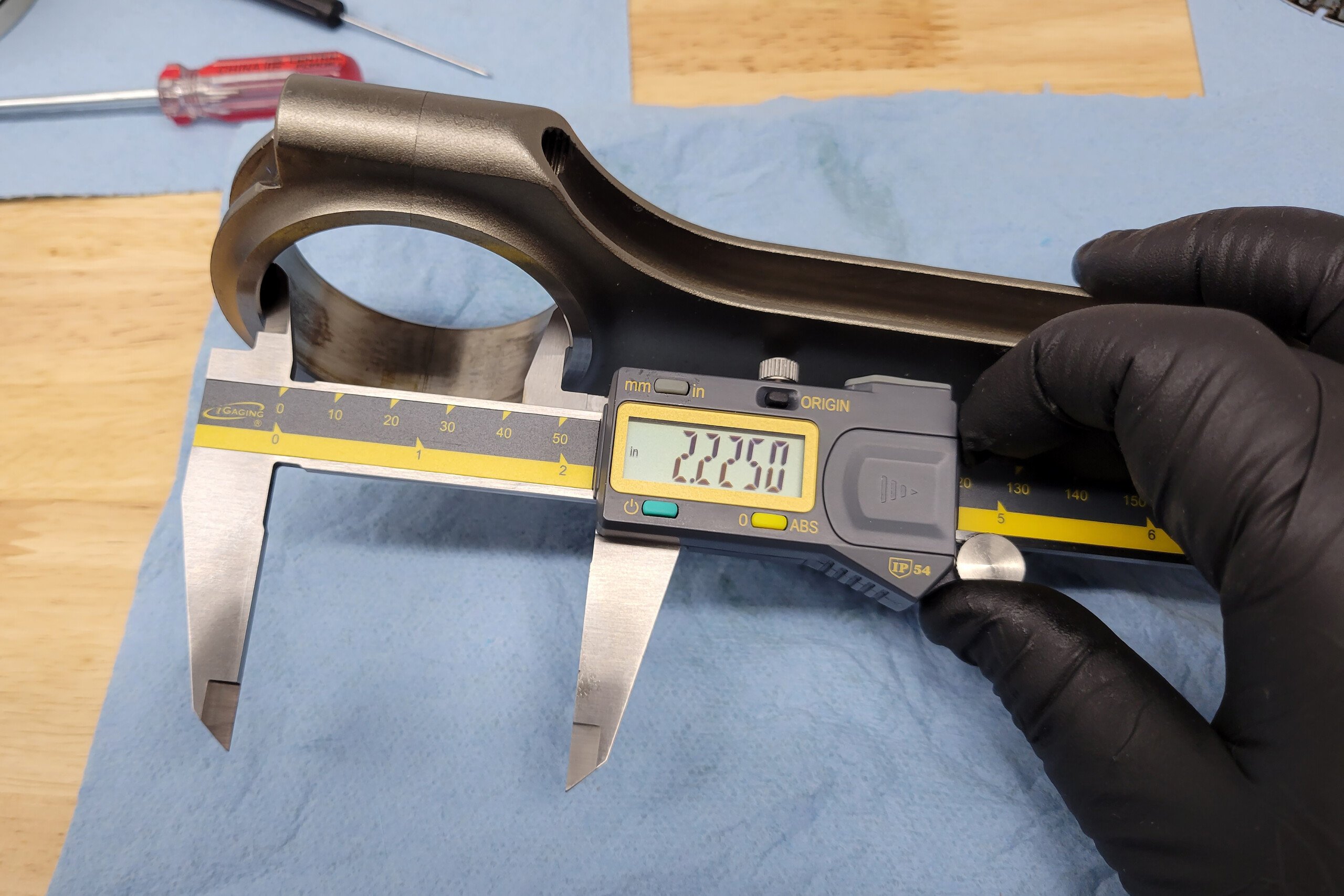
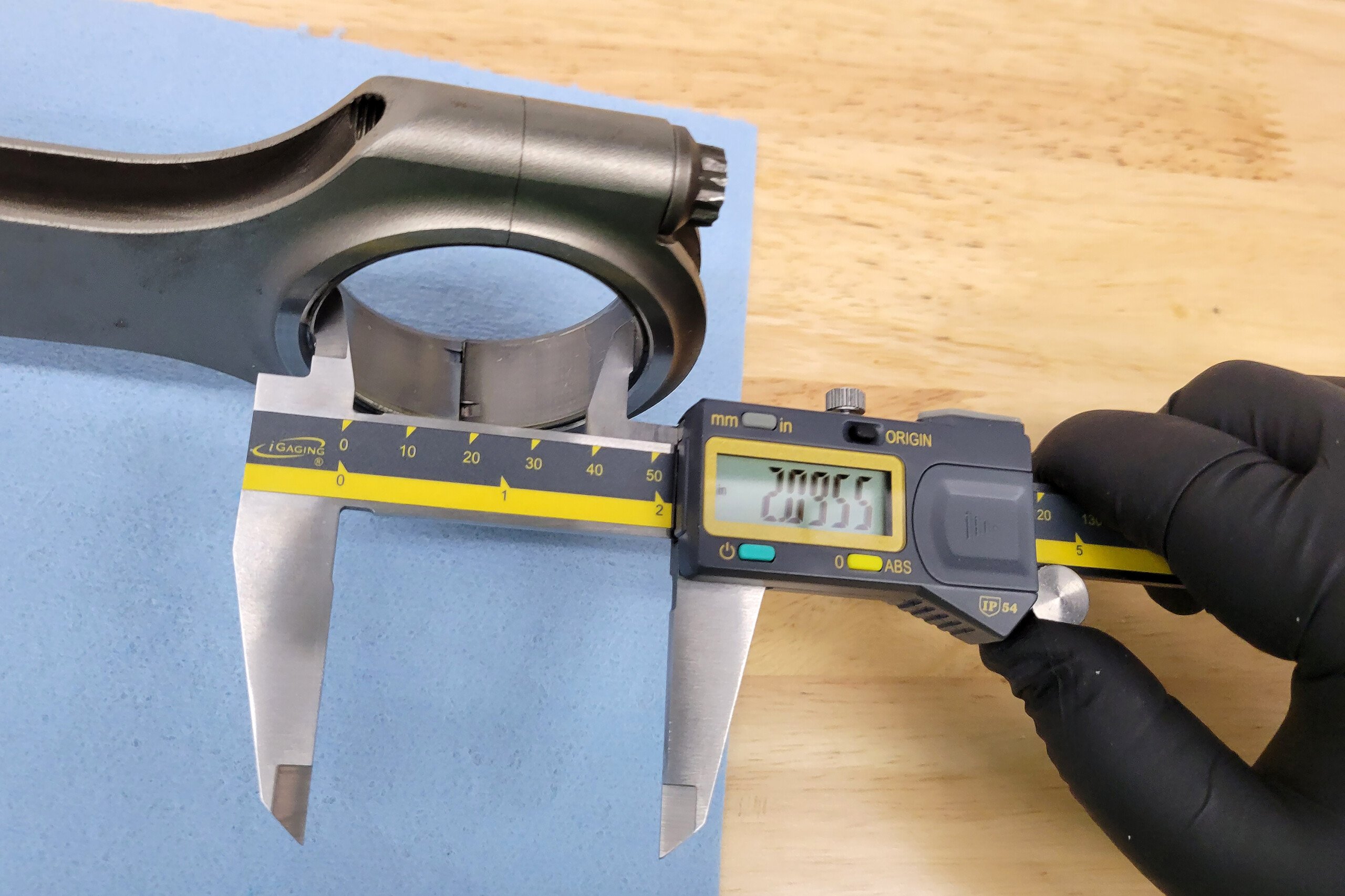
A rod’s length is actually a measurement from the center of the wrist pin to the center of the crank pin. In order to calculate that, you can add half of the wrist pin diameter (since we know it from above), a measurement of the rod main section (left image) and then half of the big end diameter (center image). As long as you take both the big end and body length measurements either with or without the bearing, you’ll get the right rod length. Notice in the photo on the right that there is a measurement with a bearing. That gives us the crank journal diameter.

What you can and will need to measure to identify the rod are the two holes in the rod, and the distance between them. The first two are relatively straightforward. Using the inside jaws of a caliper, you can get a fairly accurate idea of the big end (crank pin) diameter and the small end (wrist pin) diameter. The next critical component requires a little bit of math to get.

Chances are you’ll be using a six-inch caliper, which means you won’t have the reach to measure everything in one shot and that’s OK. What you will do is measure from the top of the rod journal housing to the bottom of the wrist pin hole. You will then combine that number with half of the wrist pin diameter and half of the rod journal diameter. That will give you the center-to-center length of your connecting rod.

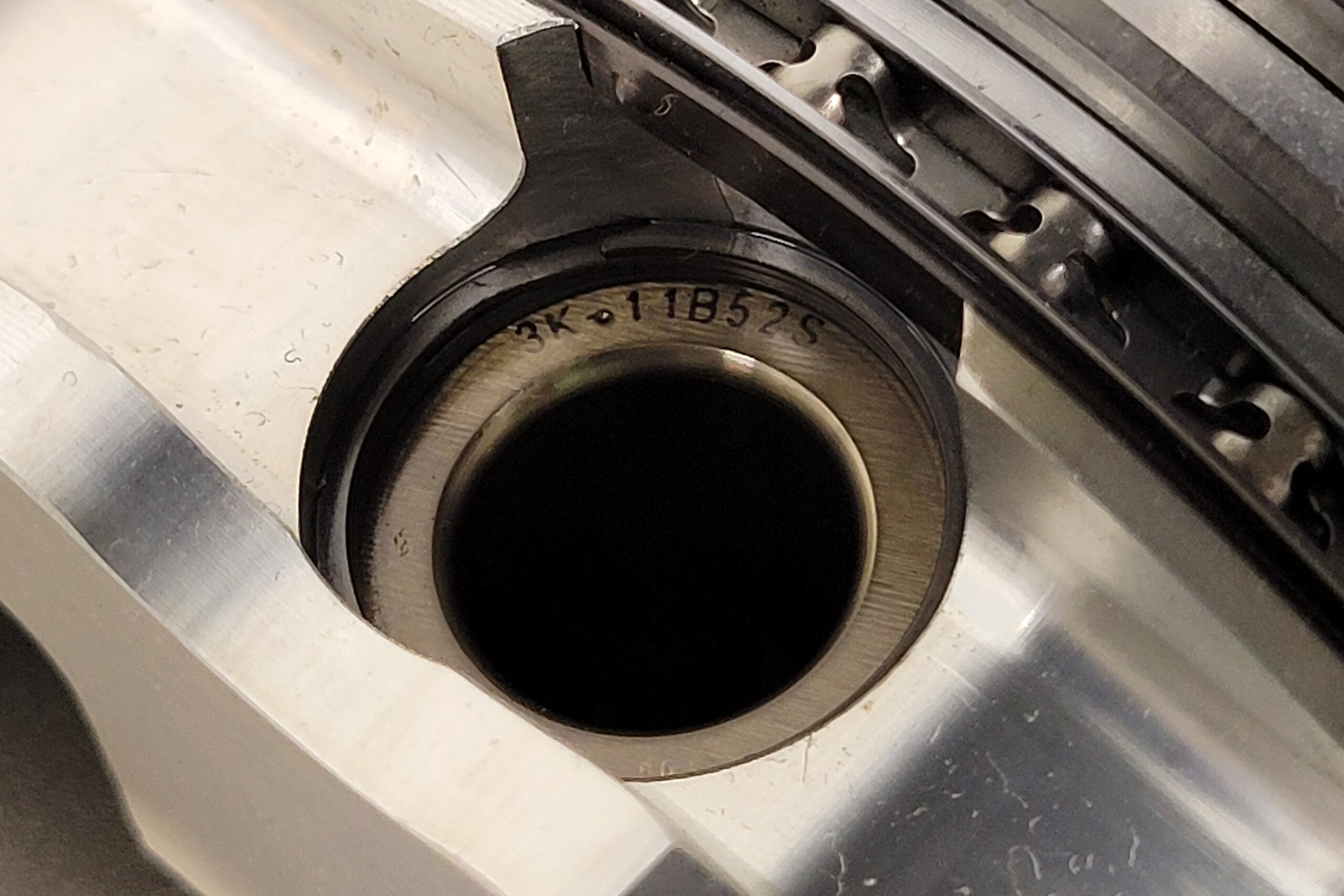
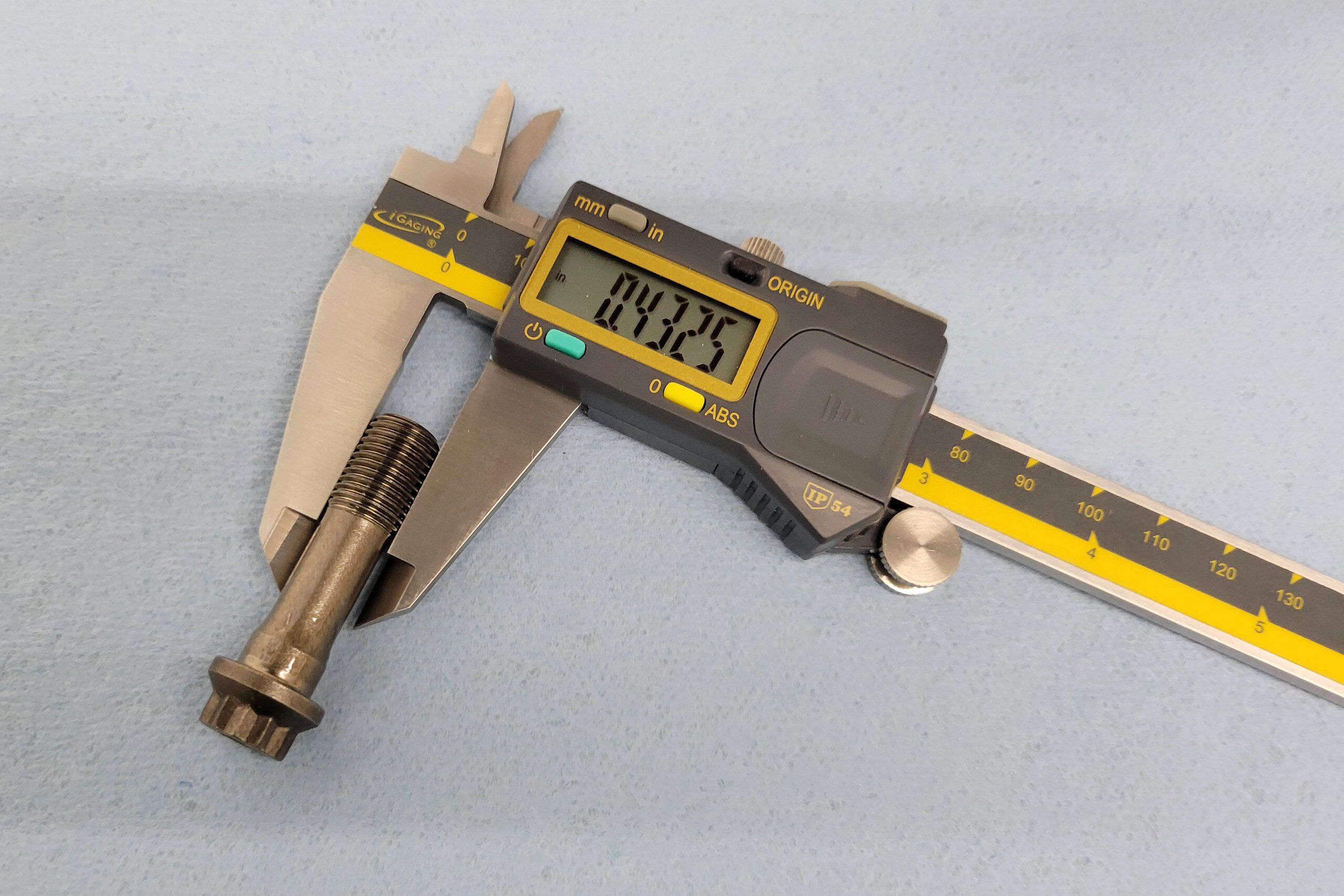
Luckily these rod bolt tell us almost everything we need to know: Bolt manufacturer, bolt material, and rod manufacturer. We still need to measure to find the bolt’s diameter.

The next parameter isn’t necessarily critical to fitment, but is important to performance, and that is rod bolt diameter. Simply put the caliper on the rod bolt and find the diameter. Seems simple, but if we didn’t include it, invariably someone would point out that we didn’t address the rod bolts.

And that’s it. With all those measurements you will be able to quantify anything without a part number, that you need to identify. However, that does bring up the point, that the first thing you should look for on the mystery parts is a manufacturer and a part or serial number. Some manufacturers will be able to give you an entire suite of data based on those numbers alone. Of course, measuring is the most accurate method, since a lot of things can happen once the parts leave the warehouse. They are used, after all.


Posted on Leave a comment

The Advantages Of Running Thinner Piston Rings

The quest for more engine efficiency has auto manufacturers adopting thinner rings for greater efficiency when it comes to the family sedan. MAHLE has also embraced this technology, and much more in its motorsports division.

MAHLE Motorsports adopted a new thinner ring technology for performance and racing applications a few years back. The next stage for MAHLE is to educate racers about how these unique rings function and spell out the benefits for their next engine project.

mahle motorsports, piston, piston ring

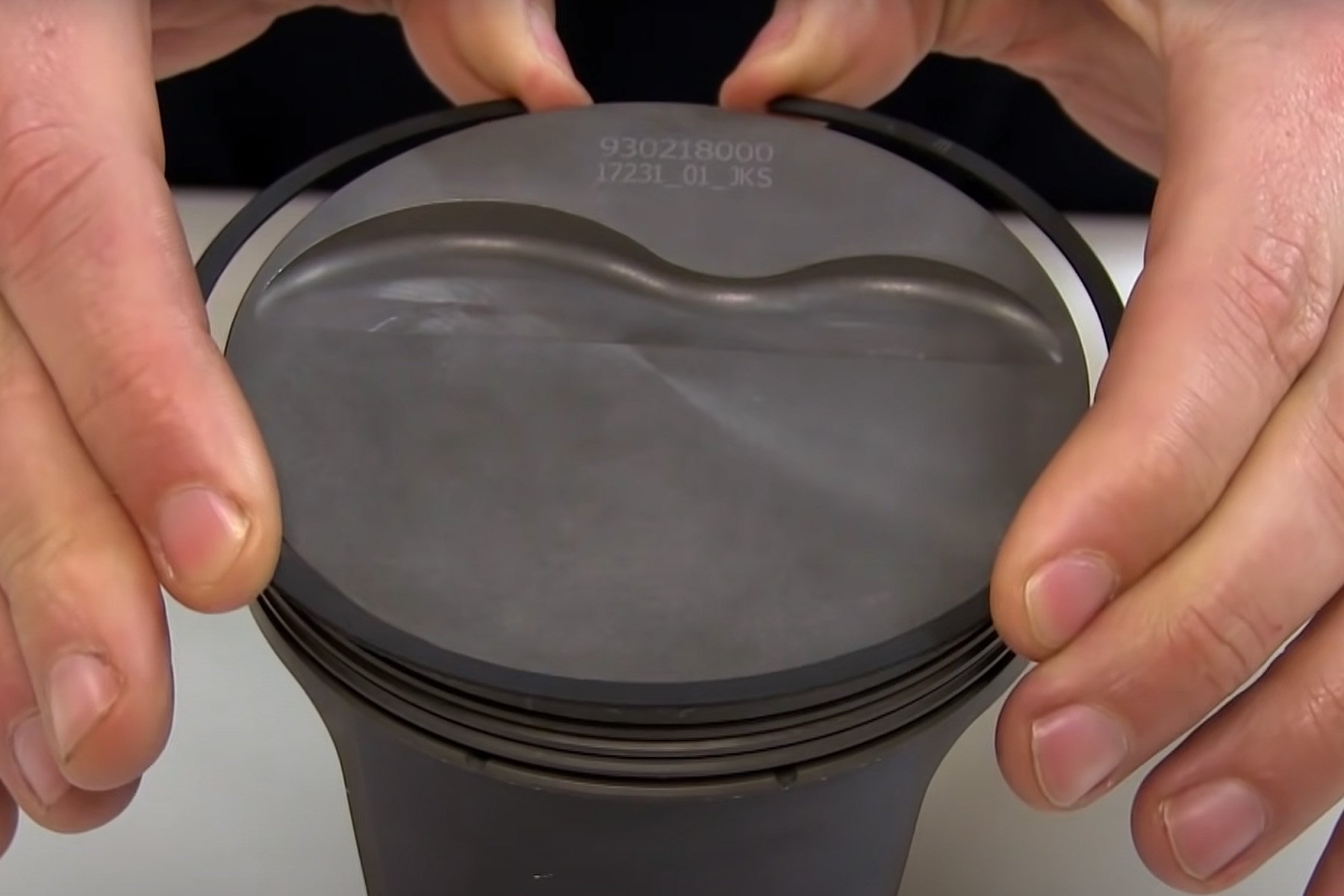
This side-by-side example of piston designs compares a 1.5mm, 1.5mm, and 3.0mm ring pack (left) beside a 1.0mm, 1.0mm, and 2.0mm ring pack MAHLE cinches up the ring pack with thinner rings, versus leaving the ring grooves in the same location as they would with thicker rings.

We asked Joe Maylish, program manager for the MAHLE North American motorsports division, if material advancements sparked the new narrow rings compared to the thicker rings that have been the norm in the high-performance world for many years. His response is, “Yes, and more.”

Materials And Manufacturing Techniques

“Material is one of the factors,” says Maylish. “MAHLE produces a huge volume of piston rings per year for automotive manufacturers and other applications. The volume of specialized raw materials we use with rings on the OEM side allows us to also engineer and manufacture effective rings for motorsports with an extension of that cutting-edge technology.”

Typically, piston rings can be constructed with different raw materials such as alloys of cast iron and varied steel materials, along with a variety of coatings on the ring face, like gas-nitriding, adding wear resistance to the face of a ring.

mahle motorsport, piston, piston rings, mahle piston              rings

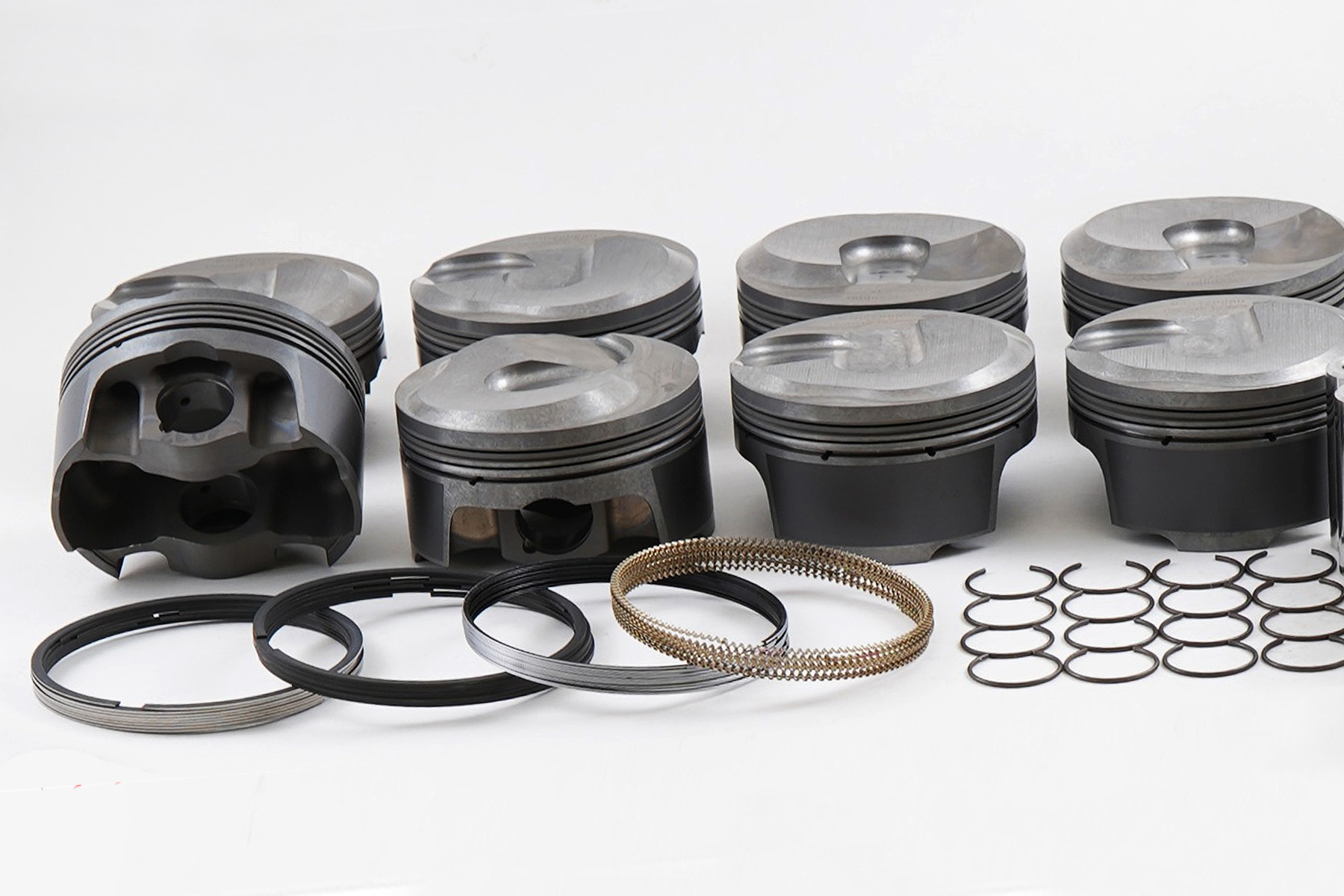
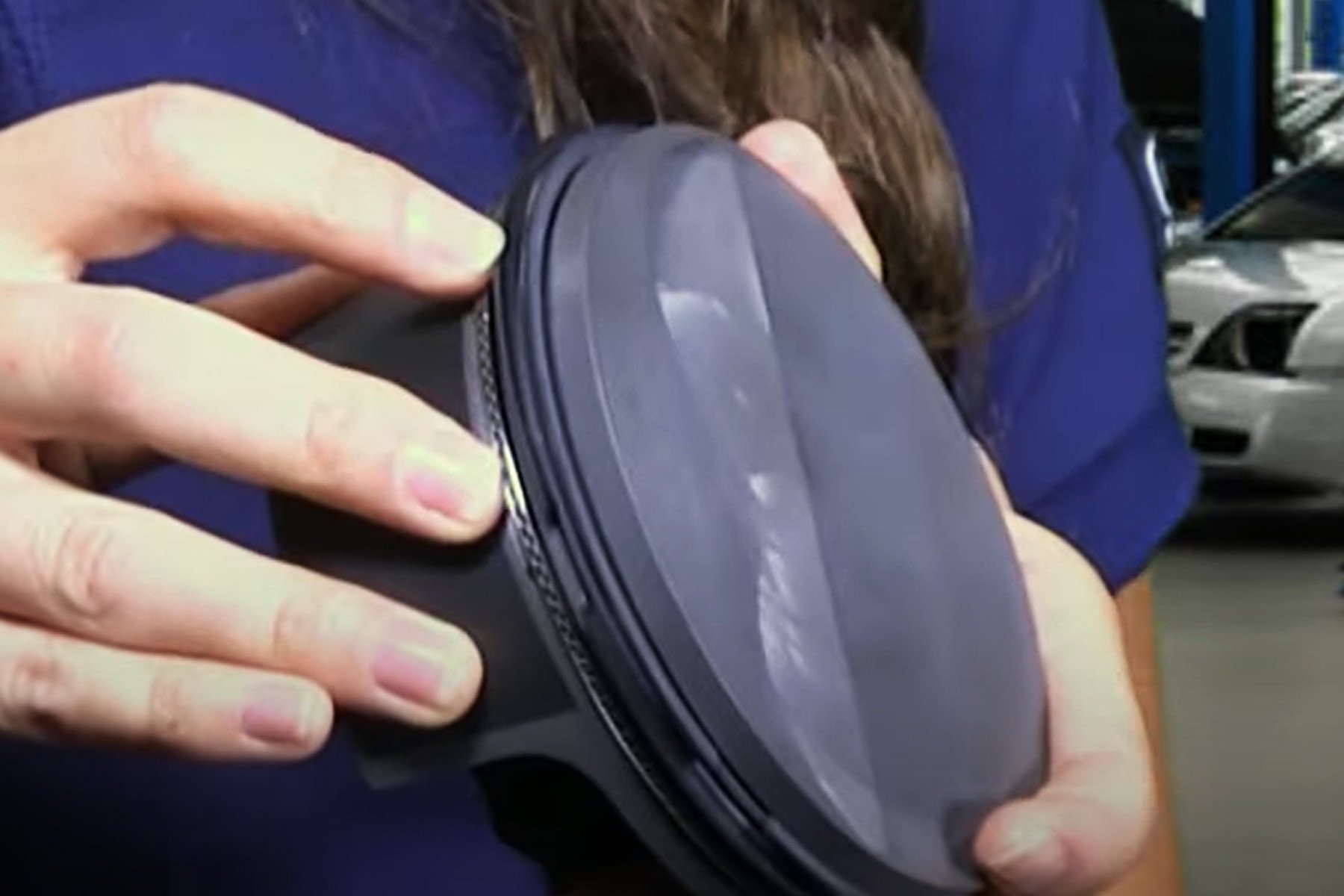
MAHLE is a well-regarded supplier of coated pistons for motorsports. Their Power Pak piston sets have the option of their “thin ring” technology for performance and racing enthusiasts.

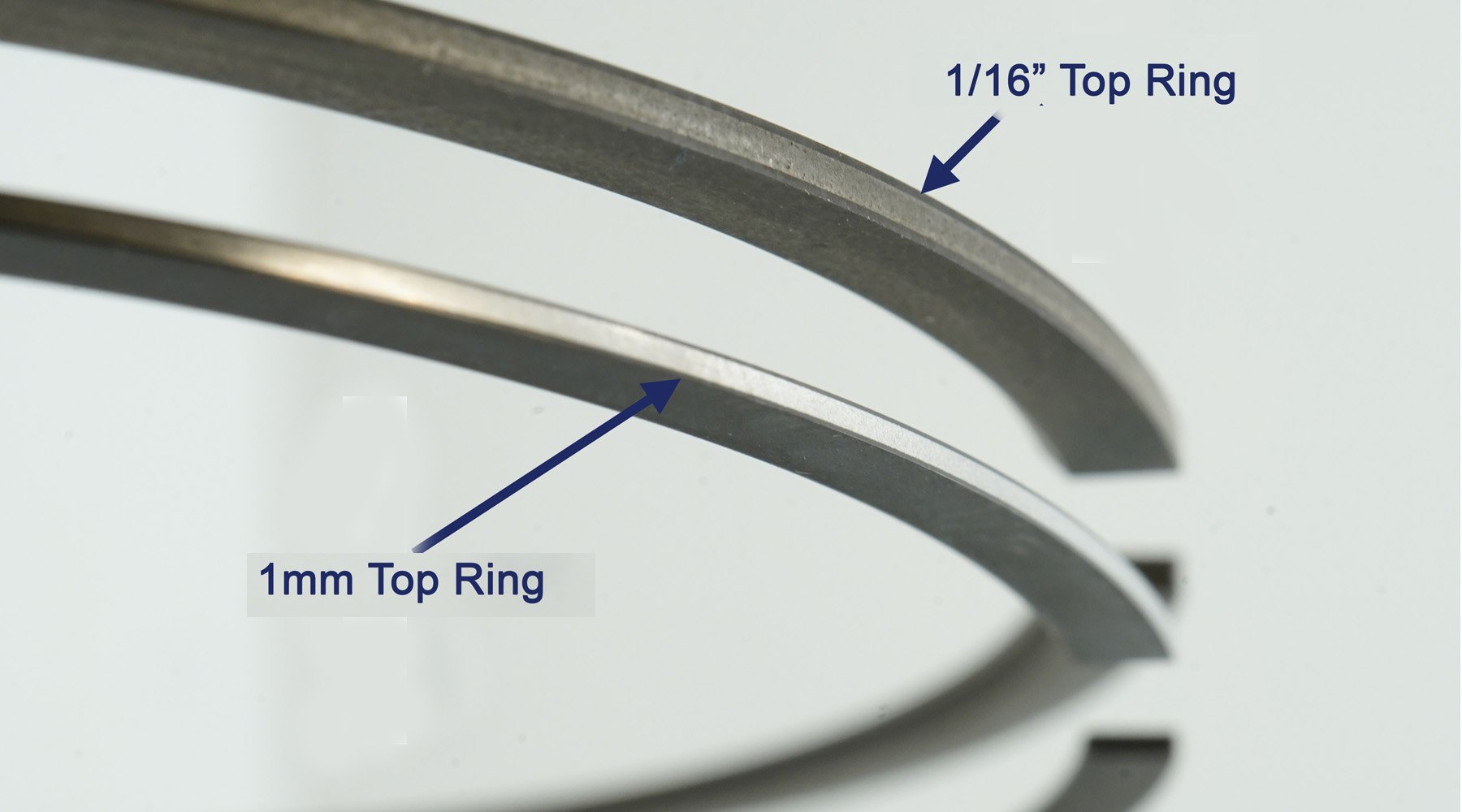
Engineers at MAHLE have developed a 1mm top compression ring , 1mm second compression ring , and a 2mm oil control ring assembly pack that minimizes friction and maximizes sealing between the rings and your engine’s cylinder walls.

“Few would argue against the ability of thinner rings to free up horsepower in the right application,” states Maylish. “The typical concern from the racing world is usually first if they will last, and second, are they worth it? So, we asked our engineering team these questions to be able to convey answers to the racers.”

A 1.0mm compression ring can have up to 50-percent less mass compared to 1/16-inch rings. That equals a 50-percent reduction in the inertial force on that individual ring, plus an increased ring-to-piston groove seal.  

Durability

The modern ring pack is much more than just “thin.” In a departure from the typical materials, MAHLE’s metallurgical engineering advancements for these thinner ring packs rely on high-strength steel alloys. MAHLE’s new steel creates a ring far more durable than any cast-iron or ductile-iron option, which achieves proper sealing, thinner size, and less wear in motorsports applications.

The E9254 chrome-silicon steel used in the 1mm top ring successfully minimizes friction and is 35-percent stronger than any cast- or ductile-iron option. With this improved steel comes the ability to produce thinner rings that match the strength of thicker iron rings. The chrome silicon steel contains metallurgical advantages. The materials allow it to achieve ultra-flat ring flanks and a precision finish without machining damage. These two materials also maximize cuff resistance and ring-to-piston sealing.

Less tension by these rings throughout all four strokes of the engine results in less wear on the face of the rings, less drag on the rotating assembly, and less wear on the cylinder walls. – Joe Maylish, Mahle Motorsport

Reduced reciprocating mass is another strong point of the ring. With less mass, the piston and ring can travel up and down faster with higher RPM because of the lessened inertia points at the top and bottom dead center. According to Maylish, at these inertial points, this weight reduction can reduce or eliminate what is called “ring flutter,” which can decrease the ring-to-piston groove seal.

“Granted, you can apply these better materials to any size rings, but that will not overcome the differences in the cross-sectional area with the thinner rings,” Maylish says. “Those smaller dimensions make the rings lighter and more conformable.”

Maylish adds, “This means you can design rings with less radial tension to achieve the same or better combustion gas sealing than a thicker ring. Furthermore, less tension throughout all four strokes of the engine results in less wear on the face of the rings, and less wear on the cylinder walls.”

Steel is also a better conductor of heat and can withstand a longer duration of high-temperature operation without concern for the rings losing tension.

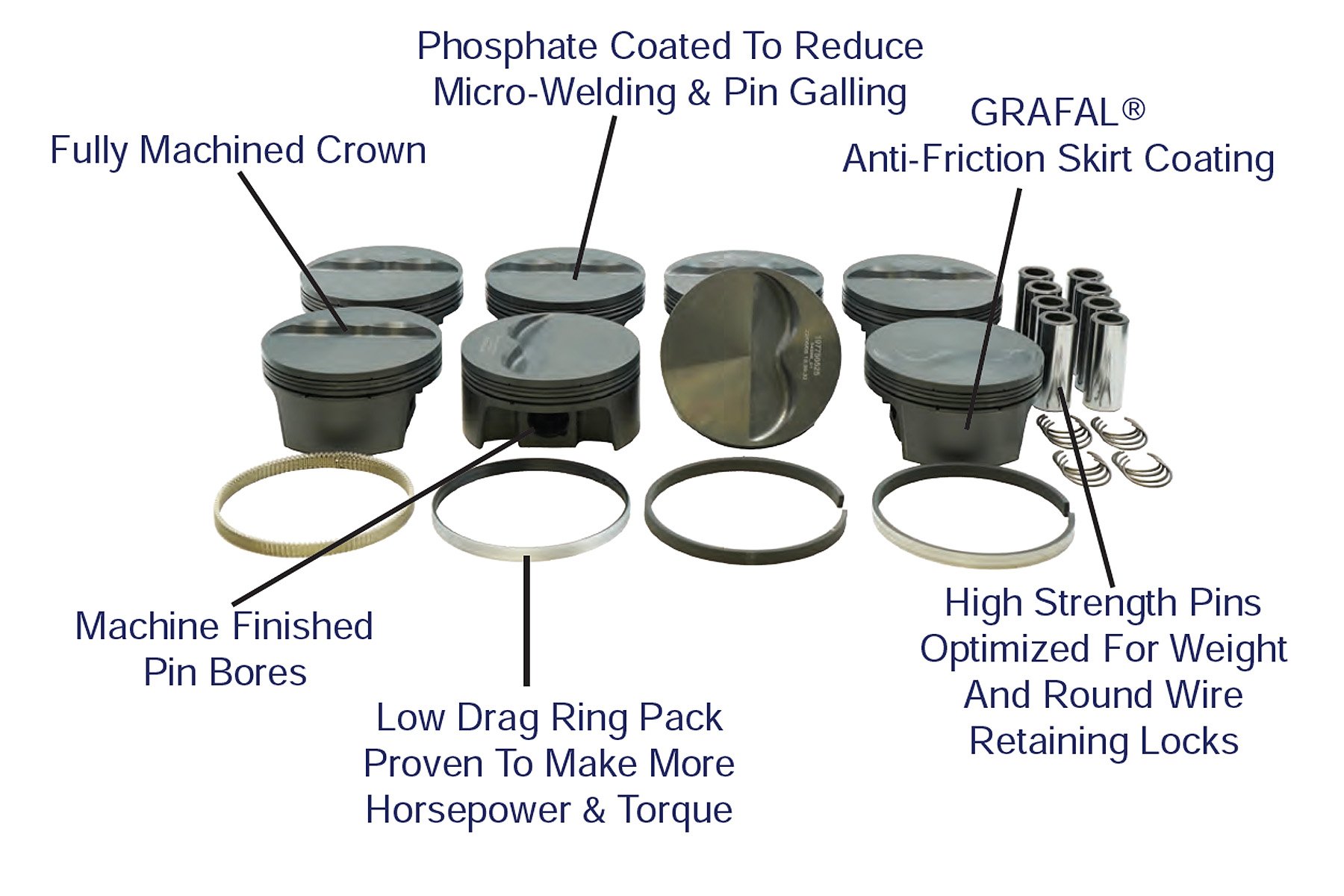
The PowerPak piston line from MAHLE Motorsport offer a long list of included features that were once reserved as options or supplied by separate companies. Off the shelf, these pistons feature full crown machining and coated crowns and skirts. Now, the PowerPak piston sets are available with this new ring technology.

Ring Face Coating

The top ring in the 1.0, 1.0, and 2.0mm pack includes MAHLE’s patented HV385 thermal spray process. This coating is applied to the face of the top ring to improve bond strength of the 9254 steel underneath, as well as durability, and scuff resistance.

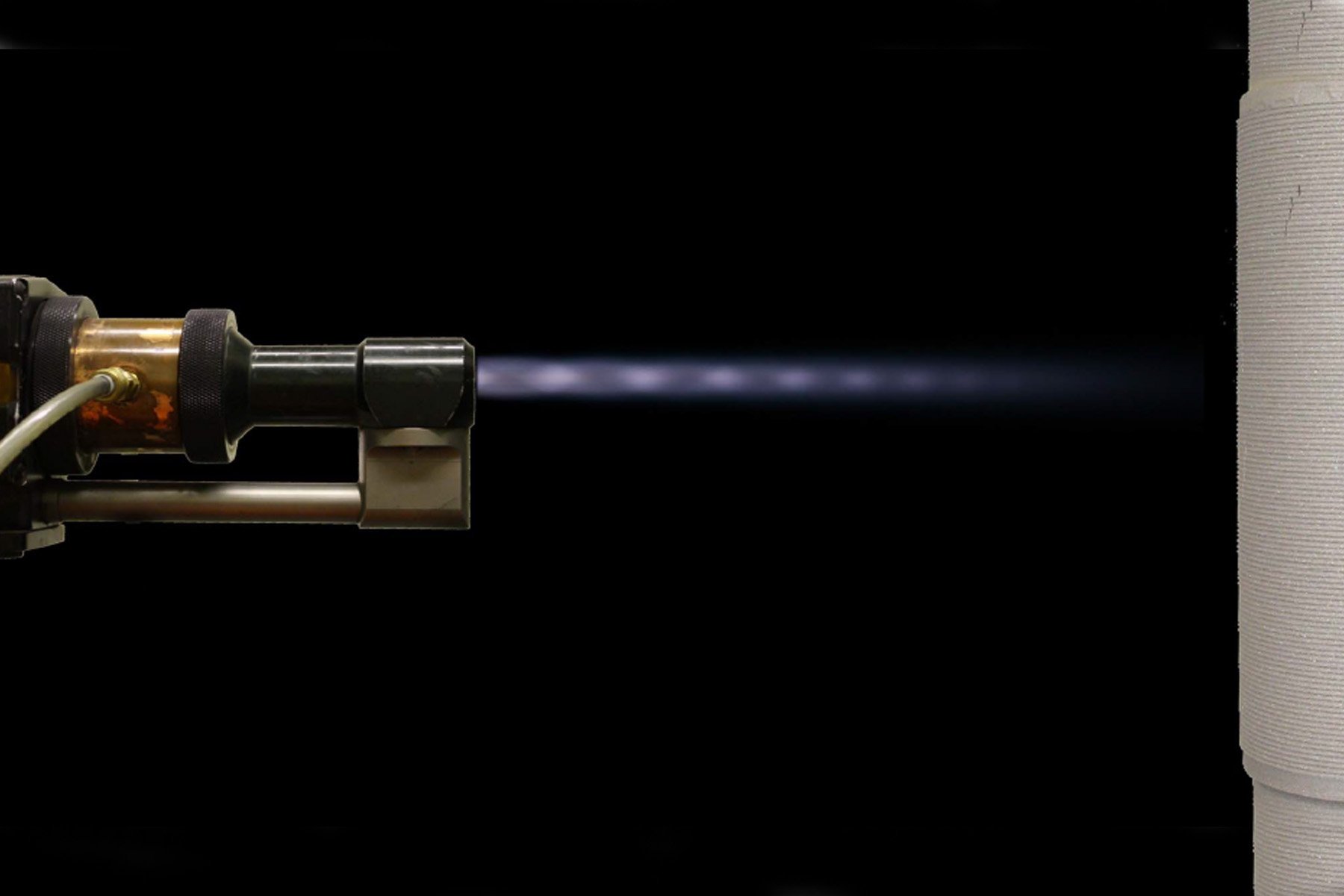
“This sprayed material actually becomes embedded into the top ring,” Maylish discloses. “The material is applied through a supersonic, thermal spray process with a liquid-oxygen-powered gun. The HV385 material impregnates itself into the ring face.”

Ring Tension

The fundamentals of all ring designs call for the ring to be formed into a larger diameter than the mating cylinder bore. When installed, the compressed ring tries to expand to its natural diameter and pushes against the cylinder wall; that is called “tension.”

“The conformity of the steel material means you can design rings with less radial tension to achieve the same or better combustion gas sealing than a thicker ring,” Maylish explains. “Older ring designs rely on a comparative ‘brute’ tension force for piston sealing.”

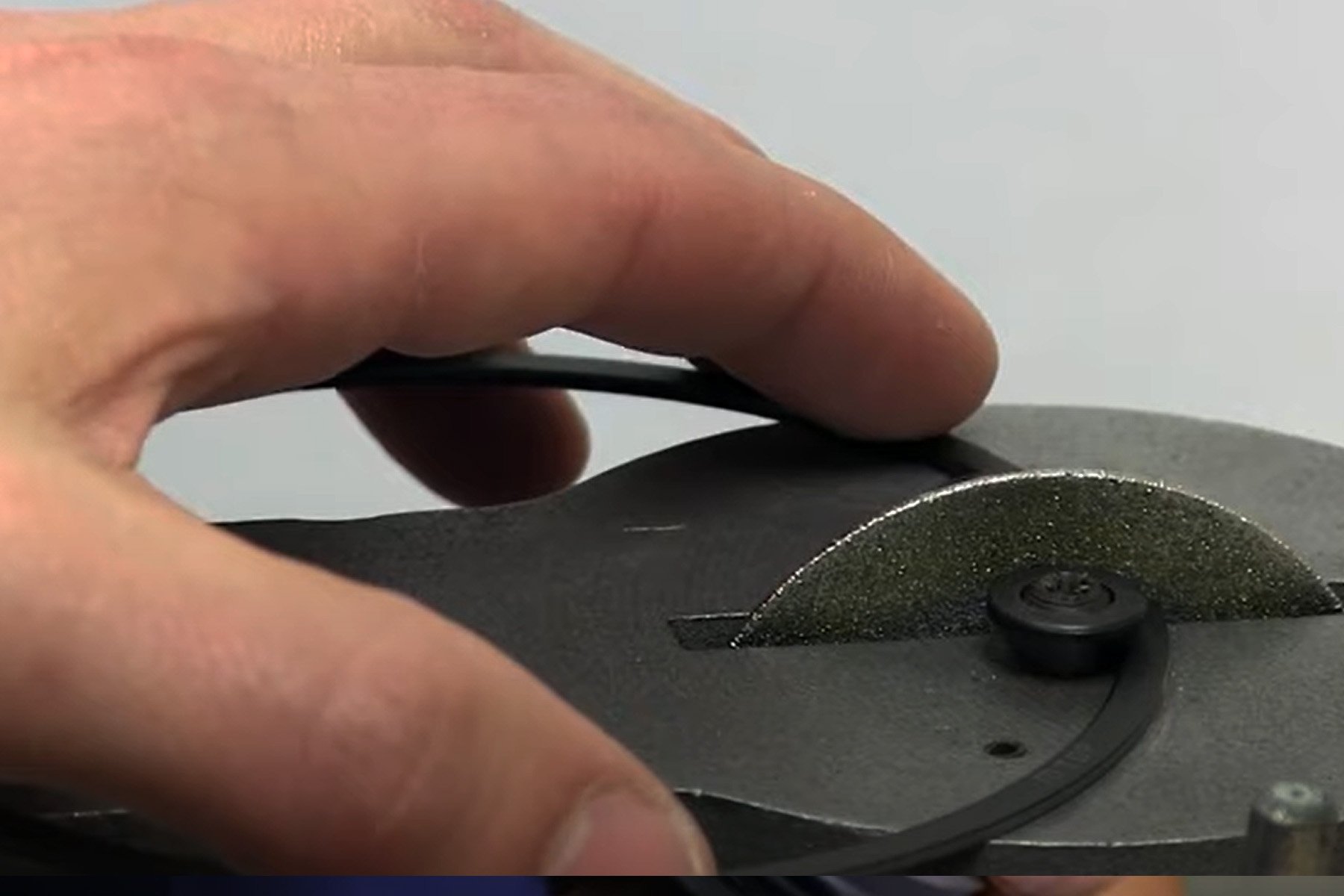
MAHLE’s thermal spraying consists of fine droplets of HV385 material exposed to high temperature and sprayed with supersonic velocity into the face of the top ring made of 9254 steel. Electric or manual ring filing procedures for setting your instructed ring gaps use traditional methods.

The second 1.0mm ring is a reverse-twist taper-faced steel, and the oil rings are standard-tension oil control rings, all with a specific tension designed into them.  

Optimizing Seal

The engine bore is not perfectly round for any engine under power. The stresses on the bore — mechanical loading, deformation, and high temperatures — distort the bores. This distortion is typically measured in microns. It sounds minute, but those stressed bore shapes allow cylinder pressure to escape the combustion area past the rings.

MAHLE pioneered computer simulation software and other development tools that successfully minimized friction without sacrificing sealing capabilities. Maylish states, “These rings’ ability to conform to the cylinder walls increased measurable horsepower gains on the dynamometer during our development process. Furthermore, less tension throughout all four strokes of the engine results in less wear on the face of the rings and less wear on the cylinder walls.”

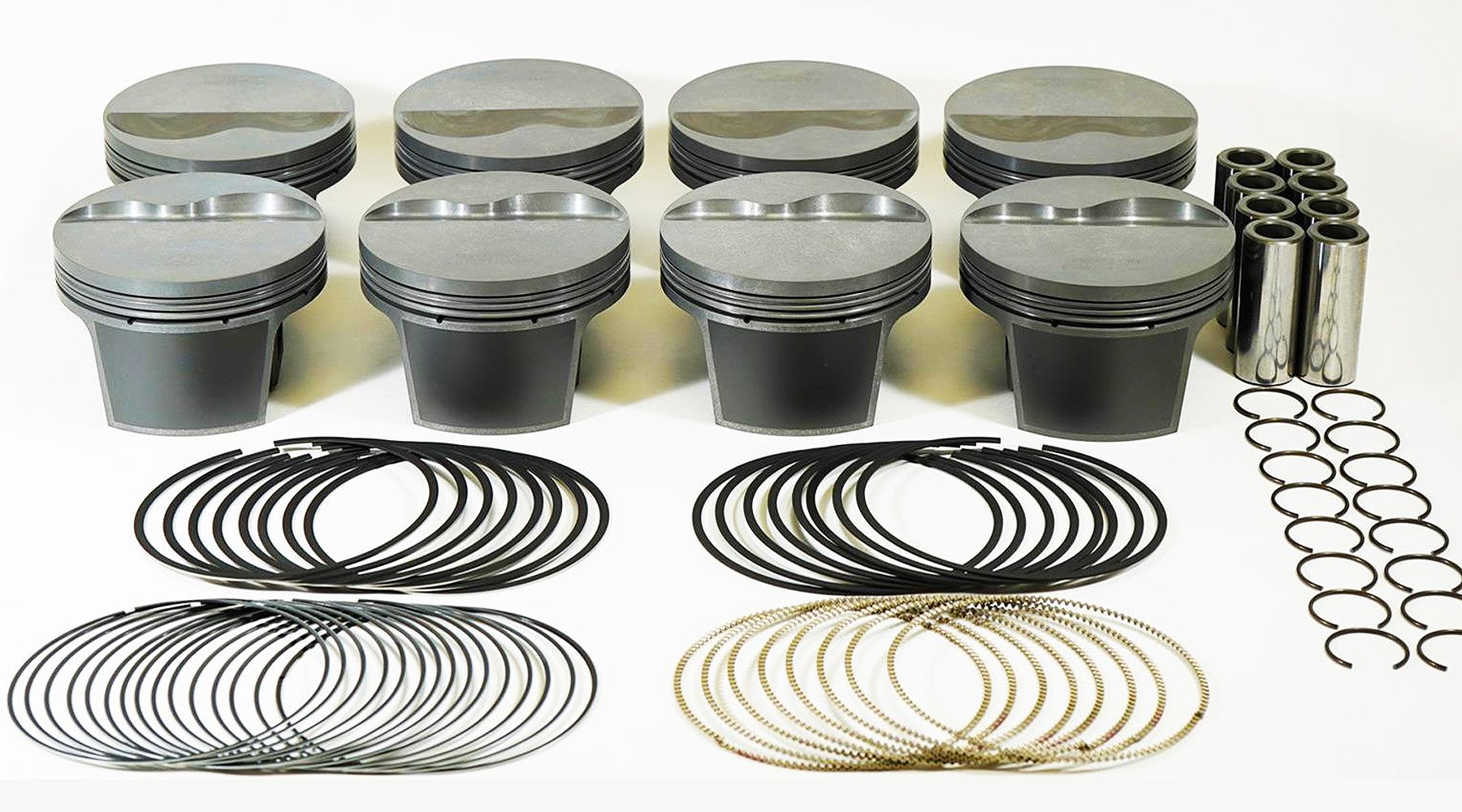
The PowerPak piston sets from MAHLE Motorsports are available with traditionally dimensioned ring sets or the newer 1.0, 1.0, and 2.0mm options. Here is your typical big-block Chevy piston set with the thin ring option.

Strengthen The Piston

These thinner ring sets also allow the MAHLE engineers to develop new piston designs with shorter ring packs that eliminate the wrist pin bore from intersecting the oil ring groove. This clearance is a big plus for many small-block and LS engines. Now, the pin bore has space to sit below the oil ring groove, eliminating the need for support rails, which improves overall piston strength.

New technology for racing is on a constant quest for stronger, lighter, and better-performing designs. There is no question that these thinner MAHLE rings are an effective addition to the motorsports world, since they meet those criteria.

Not just a fad diet, the results from MAHLE’s dyno research and scores of other independent tests by performance engine builders cite the multiple benefits of piston and ring assemblies to not just be smaller, but to add a critical conformity between the rings and the cylinder wall. This “diet” provides a better seal to prevent compression gases from escaping around the piston, the biggest single job rings have.